A National Wait for the Most Basic Tool of Democracy
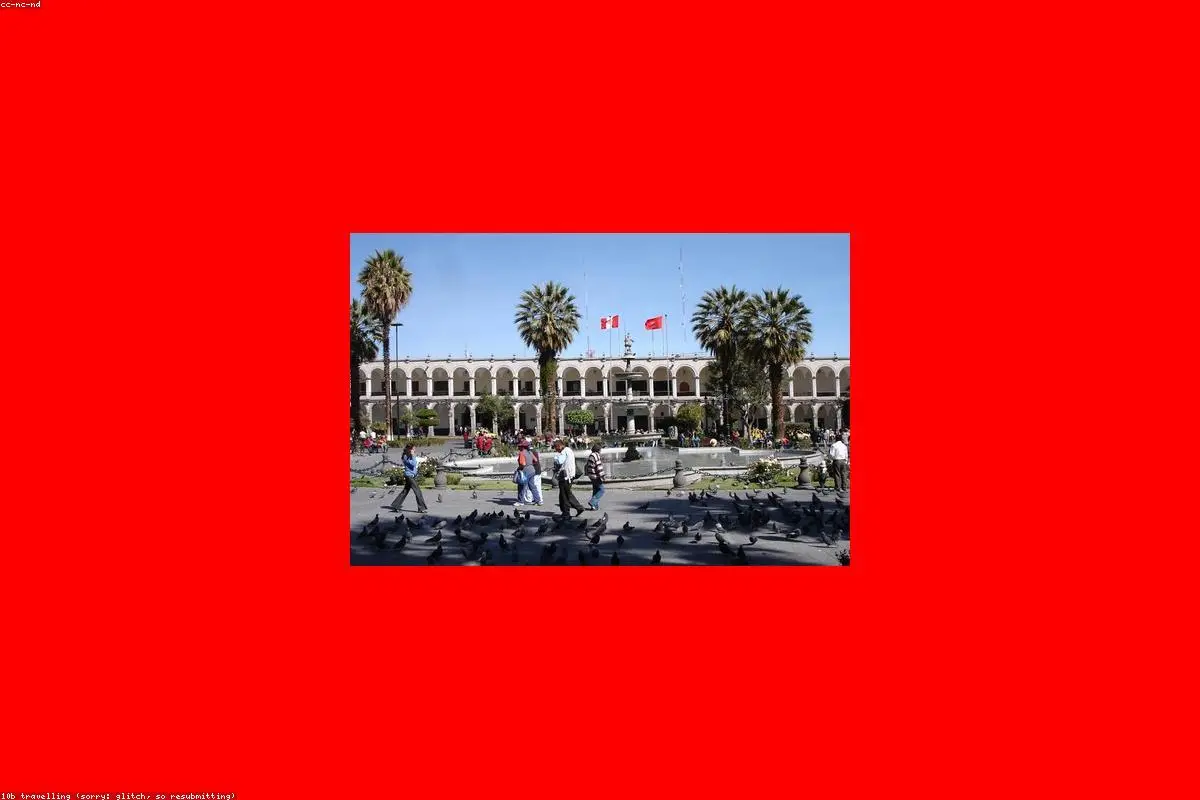
In the high altitudes of the Andes and the dense humidity of the Amazonian basin, thousands of Peruvians found themselves standing in lines that led to nowhere this week. What was intended to be a decisive Sunday for the nation’s future has instead devolved into a logistical quagmire. The Peruvian general election, already fraught with tension, has been officially extended into a second day following a widespread failure in ballot delivery that has left the National Office of Electoral Processes (ONPE) scrambling for answers.
While urban centers like Lima saw relatively standard proceedings, the story in the provinces was one of profound frustration. According to reports from the BBC, the delivery failure wasn't just a minor hiccup; it was a systemic breakdown that prevented hundreds of polling stations from opening on time—or at all. For a country that has cycled through six presidents in as many years, this latest administrative stumble feels less like a technicality and more like a fresh wound to an already fragile democratic psyche.
This delay is particularly poignant given the current global climate. As detailed in our latest coverage of International political trends, the ability of a state to execute a clean, timely election is often seen as the primary barometer for institutional health. In Peru, that barometer is currently flashing red.
The Anatomy of a Logistical Fiasco
The scale of the failure is staggering. Officials have cited a variety of reasons for the delays, ranging from inclement weather to contract disputes with local transport providers. However, critics argue that these are symptoms of a deeper lack of preparation. In many remote districts, voters who had traveled hours by boat or on foot were met with shrugs from local officials who had no ballots to provide and no clear timeline for their arrival.
By late Sunday evening, the ONPE took the rare step of announcing that voting would continue through Monday. "Our priority is ensuring that every citizen has the right to cast their vote, regardless of the logistical hurdles we face," the agency stated in a late-night press release. But for many, the damage to public confidence was already done. The extension has raised immediate concerns regarding the security of ballots already cast and the potential for tampering during the unexpected overnight pause.
Political Stakes in a Divided Nation
To understand why this delay is causing such an uproar, one must look at the razor-thin margins currently defining Peruvian politics. The electorate is deeply polarized, split between those demanding radical economic shifts and those clinging to the status quo for the sake of stability. In such a heated environment, even a minor delay can be weaponized as evidence of fraud or incompetence.
Candidates from across the spectrum have been quick to weigh in. Frontrunners have called for calm, yet their legal teams are already preparing challenges. The fear is that the second day of voting will not be a smooth continuation, but rather a chaotic scramble. There are also concerns about "voter fatigue." Will those who were turned away on Sunday actually return on Monday, or will the logistical fiasco effectively disenfranchise the most vulnerable segments of the population?
Historically, Peru’s rural voters have held significant power in tipping the scales of the presidency. If the ballot delivery issues are concentrated in these areas—as early reports suggest—the final tally could be skewed in a way that haunts the eventual winner’s legitimacy for years to come.
A Pattern of Instability
This election was supposed to be a turning point, a chance for Peru to finally find a steady hand at the helm. Instead, the images of empty ballot boxes and shuttered schools serve as a metaphor for the country's ongoing struggle with governance. The logistical failure isn't occurring in a vacuum; it follows years of corruption scandals, impeachments, and social unrest that have eroded the average citizen's trust in the government.
Furthermore, the cost of this extension is not merely political. The financial burden of keeping polling staff on site for an extra 24 hours, along with the necessary security reinforcements from the police and military, adds a significant bill to an already expensive electoral cycle. It also puts a strain on the international observers who are on the ground trying to verify the fairness of the proceedings.
What Happens Next?
As the sun rises on this unplanned second day of voting, all eyes are on the transport routes leading into the interior. The ONPE has promised that the remaining ballots are currently in transit, escorted by security forces to ensure they reach their destinations. However, the logistical mountain remains steep. The question isn't just whether the ballots arrive, but whether the voters do.
Once the polls finally close for good, the counting process is expected to be slow and meticulously scrutinized. Given the circumstances, a quick result is almost certainly off the table. Peruvians are bracing for a long week of uncertainty as the nation waits to see if its democracy can survive this latest self-inflicted wound. In the broader context of Latin American politics, this incident serves as a cautionary tale about the vital importance of the "boring" parts of democracy: the trucks, the boxes, and the paper that make it all possible.