The Sabalenka Enigma: Underachieving at the Slams?
The world of professional tennis is a relentless crucible, where raw power meets unwavering mental fortitude. Aryna Sabalenka, the Belarusian powerhouse, embodies this dynamic with her explosive game and formidable presence on court. A two-time Grand Slam champion, she has cemented her place among the elite. Yet, a recent sentiment has sparked debate among fans and pundits: "She basically capitulated." This stark assessment, implying a significant falter under pressure, raises a critical question: despite her undeniable talent and major titles, is Sabalenka, in fact, underachieving at the Slams? This article delves into her Grand Slam journey, examining the peaks and troughs of her performance on the sport's biggest stages.
The Dominant Force: Sabalenka's Prowess
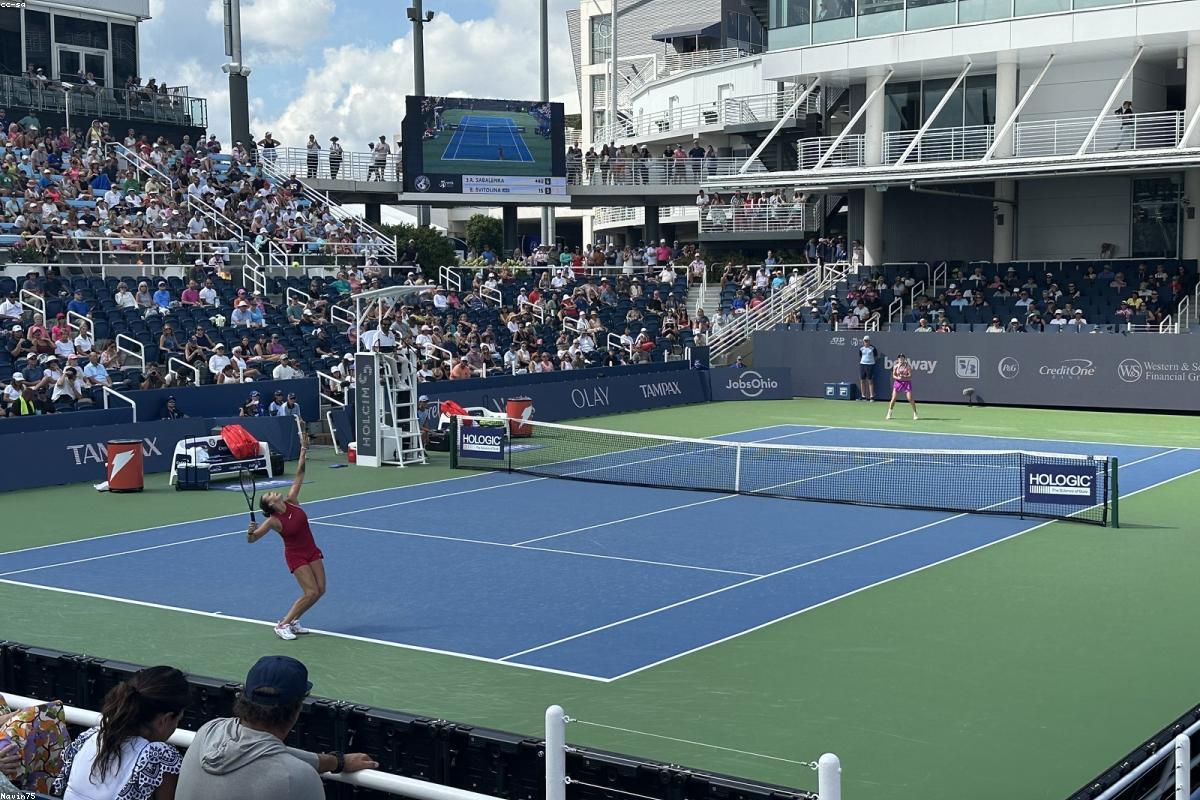
Sabalenka's rise through the ranks has been nothing short of spectacular. Known for her aggressive baseline game, blistering serves, and powerful groundstrokes, she can dismantle opponents with ease when in full flow. Her game is built on a foundation of sheer power, often overwhelming rivals and dictating rallies from the first ball. This style of play has earned her numerous WTA titles and propelled her to the top of the world rankings. Her back-to-back Australian Open victories in 2023 and 2024 stand as testament to her ability to perform at the highest level, proving she has what it takes to clinch major championships. These triumphs showcased her maturity and resilience, particularly her ability to navigate intense pressure situations and emerge victorious.
Grand Slam Record: A Closer Look
While her Australian Open success is undeniable, a deeper dive into her overall Grand Slam record reveals a more nuanced picture. Beyond Melbourne, Sabalenka has reached the semi-finals at the French Open, Wimbledon, and the US Open multiple times. This consistent presence in the latter stages of major tournaments speaks volumes about her sustained excellence. However, it's the moments beyond these semi-finals, or indeed, losses in earlier rounds against less-fancied opponents, that fuel the "underachieving" narrative. For a tennis player of her caliber, with her power and aggression, converting more of those deep runs into title challenges, especially at the French Open (where clay historically presents a greater challenge to her game) or the grass courts of Wimbledon, is often seen as the next step in solidifying a legendary career. Her powerful game should theoretically translate well to most surfaces, yet success outside of hard courts has been harder to come by at the absolute peak.
The "Capitulation" Factor: Mental Fortitude vs. Performance Pressure
The phrase "She basically capitulated," as reported by sources such as the BBC Sport (for context on similar discussions), suggests a loss of control or a significant drop in performance at critical junctures. In the high-stakes environment of Grand Slam tennis, mental fortitude is often as crucial as physical prowess. Sabalenka has, at times, been observed to struggle with maintaining her composure and converting winning positions, particularly against top-tier opponents. This isn't to say she lacks mental strength entirely – her Australian Open triumphs prove otherwise – but rather that the immense pressure cooker of a Grand Slam semi-final or final against a determined adversary can expose chinks in any player's armor. Moments where a lead slips away, or a dominant performance suddenly falters due to an increase in unforced errors, contribute to the perception that she might be giving away opportunities she should seize. These instances fuel the debate about her consistency under extreme pressure.
Consistency vs. Grand Slam Glory
There's a significant distinction between being a consistently top-ranked player and a consistent Grand Slam winner. Sabalenka undeniably falls into the former category. Her presence in the top 5, her consistent deep runs in major tournaments, and her numerous WTA titles demonstrate an exceptional level of consistency. However, Grand Slam glory requires a different gear – the ability to peak for two weeks, overcome diverse challenges, and maintain psychological superiority through seven grueling matches. For many tennis commentators, the expectation for a player with Sabalenka's raw talent and proven Slam-winning capability is to contend for, and win, multiple majors across different surfaces. While two Australian Open titles are a fantastic achievement, the narrative suggests a thirst for more, a belief that her potential could translate into an even richer Grand Slam haul. This is a common discussion point in sports analysis, where potential and actual achievement are constantly weighed.
What's Next for the Belarusian Star?
At 26 years old, Aryna Sabalenka is still very much in her prime. The good news for her fans is that she has ample time to add more major titles to her resume. The path forward likely involves refining her tactical approach on different surfaces, particularly clay and grass, to complement her powerful hard-court game. Continued work on her mental game, focusing on maintaining intensity and composure during pivotal moments, will also be key. Her journey so far is a testament to her dedication and ability to adapt. With a proven track record of Grand Slam success, albeit concentrated on one event, the question isn't if she can win more, but how consistently she can replicate that success across all four majors. The tennis world will be watching keenly to see if she can silence the critics and firmly establish herself as an undisputed multi-Grand Slam champion across the diverse landscape of professional tennis.
Conclusion: A Champion's Unfolding Legacy
The debate surrounding Aryna Sabalenka's Grand Slam performance is a complex one, fueled by both her spectacular achievements and the high expectations her talent generates. While two Australian Open titles firmly place her in an elite club, the occasional "capitulation" and missed opportunities at other majors lead to legitimate discussions about whether she is maximizing her immense potential. Ultimately, her career is still unfolding, and she possesses all the tools – power, aggression, and resilience – to continue her quest for further Grand Slam glory. The narrative of underachievement, while perhaps harsh, serves as a constant reminder of the incredible standards set at the pinnacle of professional tennis, and the relentless pursuit of perfection that defines its greatest champions.