The Quiet After the Blizzard
There is a specific kind of silence that follows a massive snowstorm—a muffled, heavy stillness that descends on cities usually defined by their noise. But as the sun rose over the US East Coast this morning, that silence was quickly replaced by the roar of snowplows and the frustrated murmurs of thousands of stranded travelers. After a weekend that saw record-shattering snowfall and hurricane-force winds, the region is now grappling with the logistical nightmare of digging out.
The scale of the disruption is difficult to overstate. According to data tracking the aftermath of the storm, more than 5,000 flights have been cancelled across the United States. From Boston Logan to New York’s JFK, tarmac operations ground to a halt as visibility dropped to near zero. While the flakes have stopped falling, the recovery process is proving to be just as challenging as the storm itself.
A Global Ripple Effect
While the snow stayed confined to the Atlantic coast, the impact on the international travel network has been profound. Major hubs like New York City and Philadelphia serve as the primary gateways for transcontinental flights. When these gears stop turning, the friction is felt in London, Paris, Tokyo, and beyond. Passengers who were meant to connect through the US found themselves stuck in hotels or sleeping on airport benches half a world away.
As reported by the BBC, the intensity of the storm—often referred to by meteorologists as a 'bomb cyclone'—was fueled by a dramatic drop in atmospheric pressure. This wasn't just a standard winter dusting; it was a meteorological powerhouse that dumped more than two feet of snow in parts of Massachusetts and paralyzed the Northeast corridor.
The Arduous Task of Digging Out
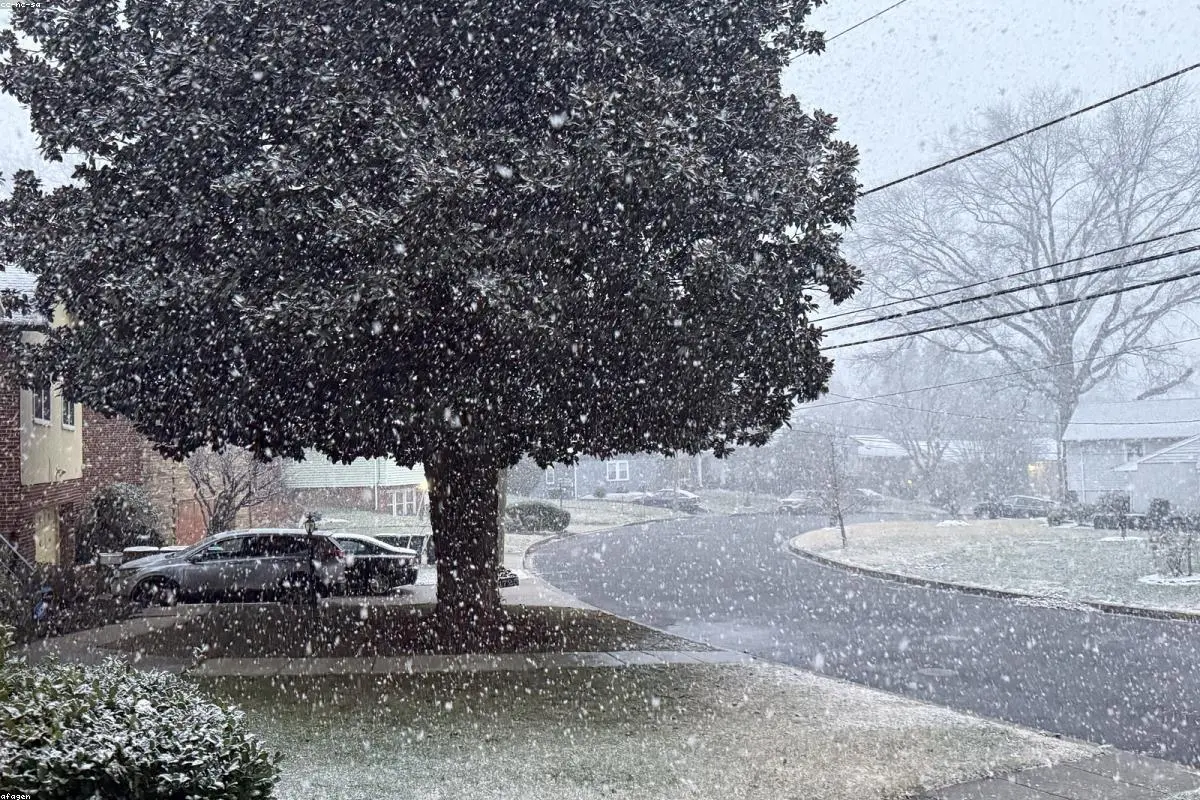
On the ground, the scene is one of organized chaos. In neighborhoods from New Jersey to Maine, residents emerged from their homes to find cars completely encased in white drifts. Local municipalities have deployed every available resource, but the sheer volume of snow makes clearing secondary roads a slow, methodical process. Public transit systems, including the New York City Subway and Boston’s MBTA, have faced significant delays as crews work to de-ice tracks and clear platforms.
For city officials, the priority is clear: restore essential services and ensure emergency vehicles can navigate the streets. However, the extreme cold following the storm has turned slush into solid ice, complicating the work of sanitation crews. It isn't just about moving the snow; it’s about finding somewhere to put it in densely populated urban environments where space is at a premium.
The Economic Toll and Logistics Strain
Beyond the inconvenience to commuters, the storm has dealt a blow to an already strained supply chain. Trucking routes along the I-95 corridor—the lifeblood of the East Coast economy—were effectively shut down for hours. This pause in movement affects everything from grocery store inventory to the delivery of critical medical supplies. When 5,000 flights are removed from the schedule in a 48-hour window, the backlog of cargo and passengers takes days, if not weeks, to fully clear.
Airlines are currently working to rebook passengers, but with many flights already at high capacity, finding empty seats for thousands of displaced travelers is a Herculean task. Travelers are being advised to check their flight status well before heading to the airport, as crew scheduling and aircraft positioning remain in a state of flux.
Resilience Amidst the Frost
Despite the frustration, there is a familiar sense of resilience among East Coasters. People who live in these latitudes are no strangers to winter's bite, even if this particular storm was one for the history books. Neighbors have been seen helping one another clear driveways, and local 'snow heroes' have emerged, using personal equipment to help healthcare workers get to their shifts.
Looking ahead, meteorologists are watching for a gradual warming trend that may help with the melting process, though this brings its own set of concerns regarding localized flooding. For now, the focus remains on the immediate: clearing the runways, de-icing the planes, and getting the world moving again. The 'Great Freeze' of the weekend will eventually melt away, but for the thousands still waiting on a boarding call, the thaw cannot come soon enough.