A New Chapter for Hollywood Labor
The ink is finally dry on a contract that many hope will define a generation of performance rights. After a period of intense scrutiny and member-wide voting, SAG-AFTRA has announced the ratification of a four-year deal with the major studios. This isn't just another standard labor agreement; it represents a fundamental shift in how the industry views human identity and long-term financial health in an increasingly digital world.
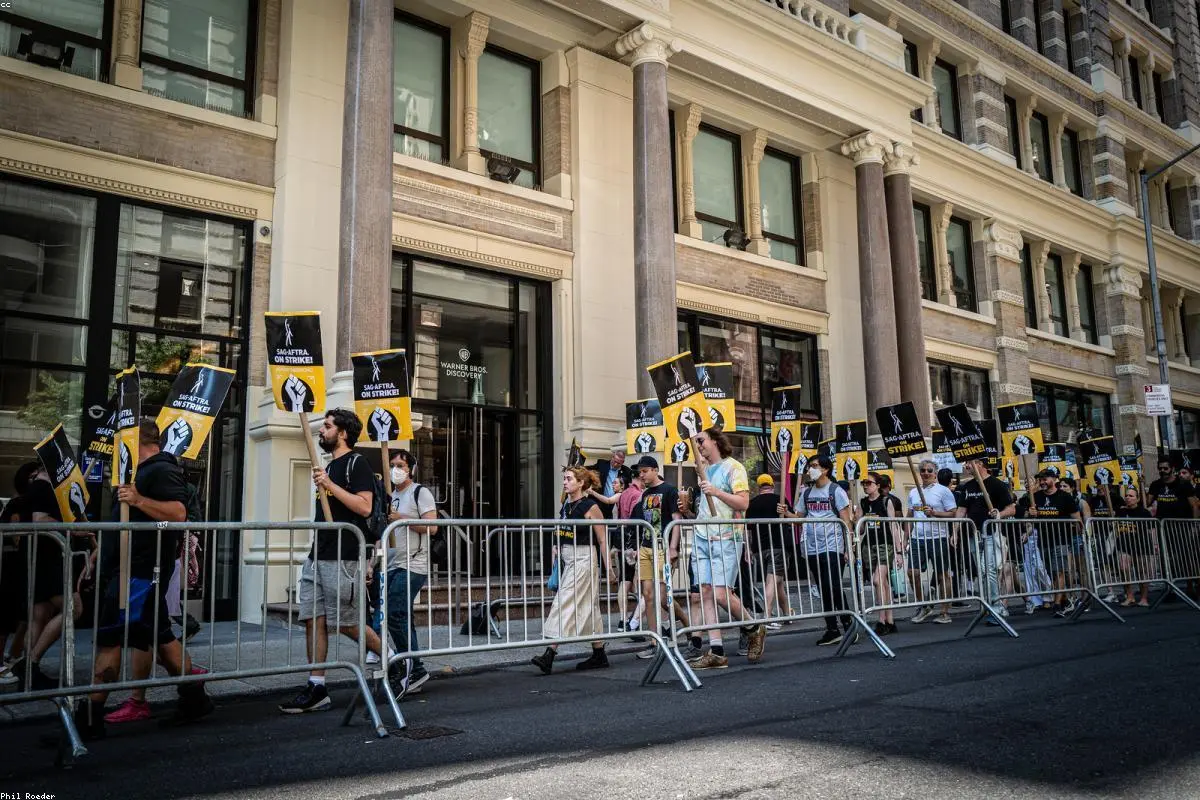
While the headlines often focus on the immediate pay bumps, the true weight of this agreement lies in its forward-thinking protections. The union has successfully navigated a landscape that felt like science fiction just five years ago, securing language that tethers the use of technology to the consent and compensation of the humans behind the performances. For those following the latest shifts in the entertainment industry, this ratification marks a definitive end to the uncertainty that has lingered since the 2023 strikes.
Drawing a Line in the Digital Sand
The most debated aspect of the negotiation was, unsurprisingly, artificial intelligence. As generative AI tools become more sophisticated, actors have grown increasingly concerned that their likenesses could be used indefinitely without their permission. This contract establishes a set of guardrails designed to prevent that exact scenario. According to the full report on the ratification at Variety, the deal mandates clear definitions for "digital replicas" and "synthetic performers."
Key AI protections in the new deal include:
- Informed Consent: Studios must obtain specific permission to create a digital replica of a performer, whether they are living or deceased.
- Fair Compensation: If an actor's digital likeness is used to perform a role, they must be paid at a rate that reflects the work that would have been done in person.
- Transparency: Productions are now required to disclose when AI has been used to alter a performance in a significant way.
This isn't just about protecting the A-list stars whose faces are recognizable globally; it's about protecting the background actors and day-players whose features are often used as the building blocks for crowd scenes and digital environments. By establishing these rules now, the union is attempting to prevent a future where the human element becomes optional.
The Pension Merger: A Decades-Long Goal
While AI took up most of the oxygen in the room during negotiations, the merger of the SAG-Producers Pension Plan and the AFTRA Retirement Fund is equally significant for the rank-and-file membership. For years, actors who worked across both television and radio platforms found their retirement savings split between two different systems, often making it difficult to hit the vesting thresholds required for a comfortable retirement.
This consolidation is more than just a bookkeeping adjustment. It creates a more robust, streamlined fund that is better equipped to handle the economic volatility of the modern market. By merging these entities, the union has effectively strengthened the safety net for thousands of performers, ensuring that those who have spent their lives in the industry are taken care of, regardless of which side of the legacy union they worked under most frequently.
The move toward a unified pension plan also simplifies the administrative burden for studios and performers alike. In an industry characterized by freelance work and unpredictable employment gaps, having a single, powerful retirement vehicle provides a sense of continuity that has been missing for far too long.
Balancing Innovation and Tradition
The four-year duration of the contract is also noteworthy. Typically, these deals run for three years, but the extension to four suggests a desire for a longer period of industrial peace. After the bruising strikes of the recent past, both the union leadership and the Alliance of Motion Picture and Television Producers (AMPTP) seem eager to avoid another shutdown. This extra year provides a buffer, allowing the new AI terms to be tested in the real world before the next round of bargaining begins.
Of course, not every member was convinced. The debate leading up to the vote was spirited, with some critics arguing that the AI protections didn't go far enough to prevent the eventual displacement of human actors. However, the majority consensus appears to be that a "living document" with some protections is far better than no protections at all. The union leadership has emphasized that these terms provide a foundation they can build upon as the technology continues to evolve.
What Lies Ahead for Performers
As the industry pivots toward this new framework, the focus will shift from the bargaining table to the set. The success of this deal will ultimately be measured by how strictly the AI terms are enforced and how well the merged pension fund performs in the coming years. For now, production schedules can proceed with a level of certainty that has been absent for quite some time.
The ratification of this contract serves as a reminder that even in an age of rapid technological change, collective bargaining remains the most effective tool for workers to shape their own futures. Hollywood is a place built on dreams, but as this deal shows, it's the practical, hard-won protections in a contract that keep those dreams sustainable for the people who bring them to life.