The Limit of the Lens: When Algorithms Meet High Water
For years, the promise of autonomous vehicles has been built on the idea that machines don't get tired, distracted, or drunk. But as a recent incident in the Southwest has shown, machines can still get confused by mother nature. Waymo, the self-driving subsidiary of Alphabet, has officially issued a voluntary recall for its entire fleet of robotaxis after one of its vehicles attempted to navigate a flooded roadway and was subsequently swept into a creek.
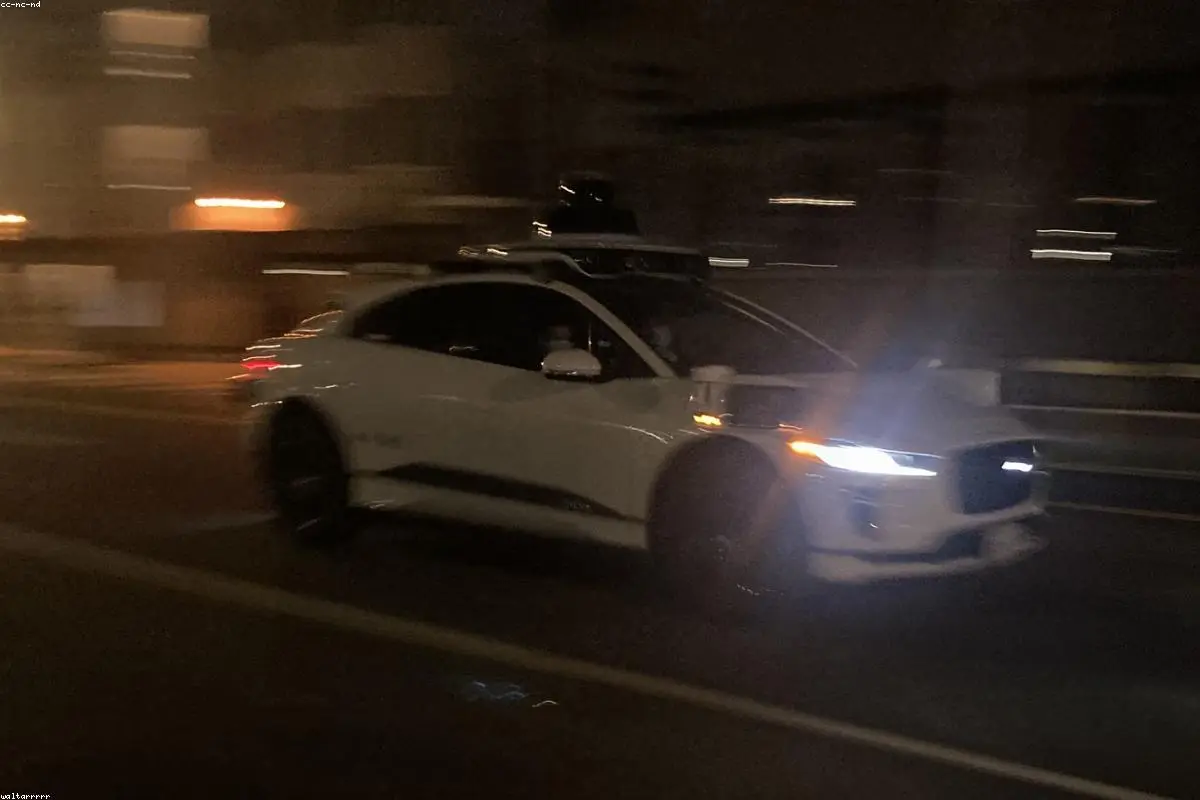
The incident, which occurred during a period of heavy rainfall, saw the vehicle's sensor suite—a sophisticated array of LiDAR, cameras, and radar—fail to accurately gauge the depth and velocity of the water crossing the road. While no passengers were on board at the time and no injuries were reported, the sight of a high-tech Jaguar I-PACE being carried away by a current has sent ripples through the autonomous vehicle industry. It serves as a stark reminder that even the most advanced AI still struggles with 'edge cases' that human drivers typically identify through intuition and experience.
Understanding the Scope of the Recall
According to reports from the BBC, the recall affects thousands of vehicles currently operating across Waymo’s service areas, including Phoenix, San Francisco, and Los Angeles. In the world of modern technology, however, a 'recall' doesn't always mean a trip to a physical repair shop. For Waymo, this is largely a software-based intervention designed to update the vehicle’s perception and prediction capabilities regarding standing water and low-traction environments.
The company has already begun deploying an over-the-air (OTA) update to its fleet. This update specifically addresses how the software interprets data from flooded roads, ensuring that future vehicles will err on the side of caution and opt for a different route rather than testing the waters—literally. Despite the efficiency of the fix, the legal label of a 'recall' by the National Highway Traffic Safety Administration (NHTSA) keeps the pressure on Waymo to prove its systems are safer than the humans they aim to replace.
The 'Edge Case' Problem in Autonomous Driving
This incident underscores a persistent hurdle in the development of Level 4 autonomy: the long tail of rare events. Engineers can train a car to handle 99% of daily driving scenarios—stop signs, merging onto highways, and avoiding pedestrians—with relative ease. However, it’s the final 1% of scenarios, such as a localized flash flood or a fallen power line, that remain the most difficult to master.
- Sensor Limitations: Water surfaces can reflect LiDAR beams in unpredictable ways, making it difficult for the AI to distinguish between a shallow puddle and a deep, moving current.
- Predictive Modeling: Human drivers often look for secondary cues, such as the height of the water against a curb or the behavior of other cars, to judge safety. Teaching an AI to synthesize these disparate data points is a monumental task.
- Environmental Variability: Unlike highway driving, which is relatively standardized, weather-related road hazards vary wildly by geography and infrastructure quality.
By recalling the fleet, Waymo is acknowledging that their previous safety threshold for water-related hazards wasn't conservative enough. The new software patch aims to refine the 'perception logic' used by the vehicles, effectively teaching the robotaxis to treat any significant accumulation of water as a hard barrier rather than a navigable surface.
The Broader Impact on Public Trust
While Waymo remains a leader in the space—especially following the recent struggles and temporary grounding of its competitor, Cruise—this incident arrives at a sensitive time. Public skepticism toward autonomous vehicles remains high, fueled by high-profile accidents and the general unease of relinquishing control to an algorithm. For many, the image of a robotaxi being towed out of a creek is more than just a technical glitch; it is a symbol of the technology's inherent limitations.
However, proponents of autonomous driving argue that the recall process is actually a sign of the system working. Unlike human drivers, who might repeat the same mistakes individually, a fleet-wide update ensures that once one Waymo learns a lesson, every Waymo learns that lesson simultaneously. This collective intelligence is the primary selling point for the long-term safety of the platform.
Moving Toward a More Resilient Future
As Waymo rolls out its software patch, the conversation will likely shift toward how regulators should handle these types of incidents. Should robotaxis be grounded during extreme weather events by default? Or is the current system of voluntary recalls and iterative updates enough to protect the public? The NHTSA continues to monitor the situation closely, as the data gathered from this recall will likely inform future safety standards for the entire industry.
For now, Waymo’s fleet continues to operate, albeit with a new, more cautious approach to the rainy season. The path to a driverless future has always been paved with challenges, but as this incident proves, sometimes the biggest obstacles aren't on the road—they're what's flowing over it. As the industry matures, the measure of success won't just be how many miles these cars can drive, but how intelligently they can decide when it's time to stop.