The Seventh Night: A Sustained Campaign
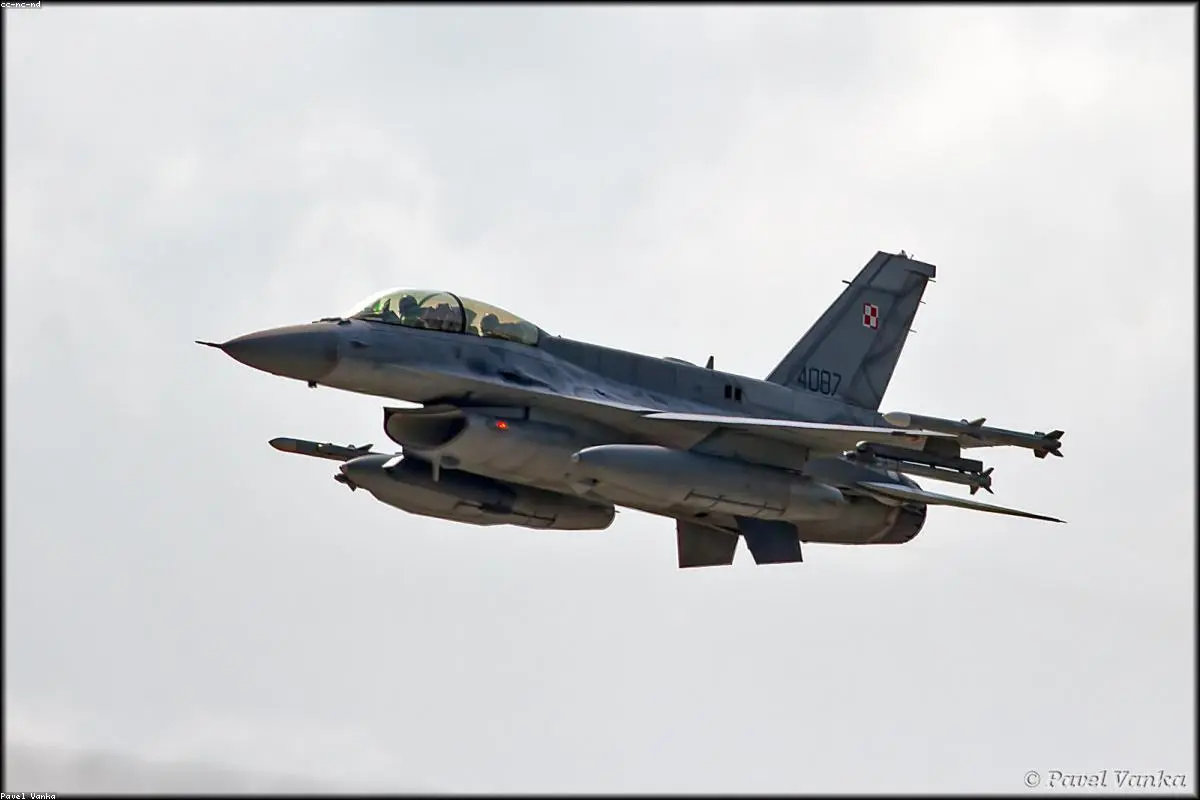
As the sun dipped below the horizon across the Middle East on Tuesday, the familiar roar of jet engines signaled another night of kinetic action. For the seventh night in a row, United States forces conducted targeted strikes against assets linked to Iran and its regional proxies. This isn't just a brief retaliatory flourish; it is a sustained, deliberate campaign aimed at degrading the operational capacity of groups that have increasingly threatened American interests and international maritime security.
The latest round of strikes focused on several key command-and-control centers and munitions storage facilities. According to early reports from the ground and military briefings, these sites were being used to coordinate drone and missile attacks against commercial shipping lanes in the Red Sea. The persistence of these operations highlights a significant shift in the Pentagon's approach—moving from isolated responses to a broader strategy of attritional warfare against proxy infrastructure.
While the tactical goals are clear, the strategic outcome remains murky. Each night of fire brings with it the risk of a wider regional conflagration that many in the International community have been desperate to avoid. Yet, for the Biden administration, the cost of inaction has clearly begun to outweigh the risks of escalation.
Precision vs. Proliferation: What’s Being Hit?
Pentagon officials have been careful to emphasize the "proportional and precise" nature of these strikes. The targets aren't chosen at random; they are the nodes of a sophisticated network that allows Tehran to project power through its 'Axis of Resistance.' This includes everything from radar installations and drone launch sites to subterranean warehouses packed with sophisticated anti-ship missiles.
A recent report by the BBC detailed the complexity of these operations, noting that the intelligence gathering required to hit these targets without causing massive civilian casualties is immense. By focusing on hardware and command structures, the U.S. hopes to limit the immediate human cost while effectively 'blunting the spear' of regional militias. However, as the strikes enter their second week, questions are being raised about how many of these assets Iran can afford to lose before feeling pressured to change its calculus.
The reality on the ground suggests that while hardware can be replaced, the specialized technical knowledge required to operate advanced drone systems is harder to recover. The U.S. is betting that by systematically removing these 'high-value' assets, they can create a vacuum that makes further attacks on global trade routes significantly more difficult to execute.
The Diplomacy of Deterrence
Beyond the smoke and debris, there is a frantic diplomatic game being played in the shadows. The U.S. has repeatedly stated that it does not seek a direct war with Iran. Instead, it is practicing a high-stakes version of 'deterrence through denial.' The message being sent to Tehran is simple: your proxies are no longer a low-cost way to harass the West. There is now a direct, kinetic price to be paid for every provocation.
Middle Eastern capitals are watching with a mix of anxiety and quiet approval. Some regional partners, who have long complained about Iranian interference, see the strikes as a necessary correction. Others fear that their own soil might become the next battlefield if the conflict spills over borders. This delicate balancing act is the primary challenge for U.S. diplomats, who must reassure allies while keeping a lid on a potentially explosive situation.
A Regional Powder Keg
It is impossible to view these strikes in a vacuum. They are inextricably linked to the broader instability that has gripped the region since October. The humanitarian crisis in Gaza, the frequent exchanges of fire on the Lebanese border, and the disruption of the Suez Canal trade route all feed into this single, volatile narrative. When the U.S. strikes for seven nights straight, it isn't just responding to one event; it is responding to a systemic breakdown of the regional order.
The economic ripple effects are also starting to manifest. Shipping insurance rates have skyrocketed, and major logistics companies are rerouting vessels around the Cape of Good Hope, adding weeks to transit times and millions to operational costs. This economic pressure is a central pillar of the proxy strategy, and the U.S. strikes are the physical manifestation of the global effort to keep the arteries of trade open.
The Path Forward: Is There an Off-Ramp?
The question on everyone’s mind is: when does this end? Military historians often note that air campaigns are easier to start than they are to finish. If the seventh night leads to a fourteenth, we may be looking at a semi-permanent state of conflict in the region. For the U.S., the 'off-ramp' requires a cessation of attacks from the Iran-backed groups. For Tehran, it may require a diplomatic concession that the U.S. is currently unwilling to grant.
In the coming days, we will likely see whether this week-long barrage has achieved its intended effect of slowing down the militias or if it has merely hardened their resolve. For now, the skies over the Middle East remain active, and the world holds its breath, waiting to see if the eighth night will bring more of the same or the first signs of a cooling tension. What is certain is that the old rules of engagement have been discarded, and a new, more dangerous chapter of international relations is currently being written in fire.