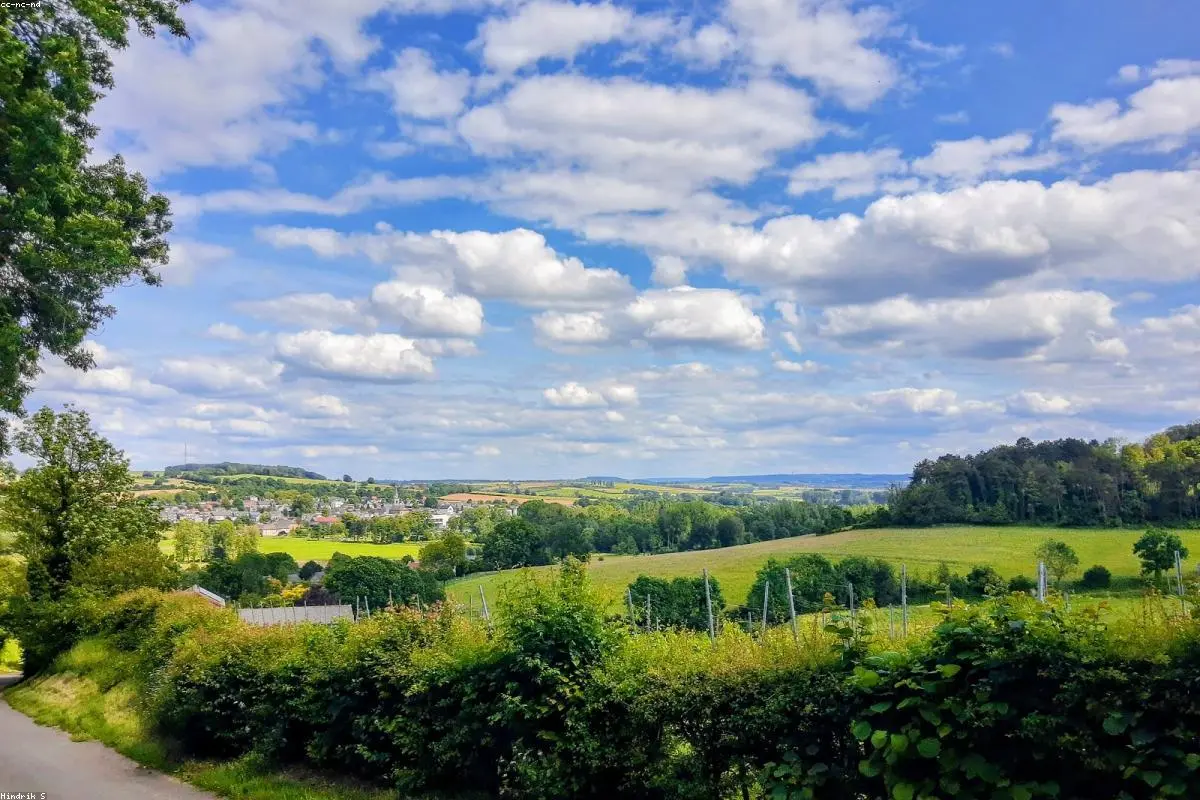
The Fight for Ruinerwold: A Dutch Village on the Brink
The postcard-perfect Dutch village of Ruinerwold, nestled in the province of Drenthe, is facing an existential crisis. A plan to expand a nearby military training ground, spearheaded by the Dutch Ministry of Defence, could see the entire village – homes, farms, and all – demolished. This isn’t a story of natural disaster or economic decline, but a deliberate decision by the state, and it’s ignited a passionate resistance from the roughly 70 residents who call Ruinerwold home.
A History Interrupted
Ruinerwold isn’t just a collection of buildings; it’s a community steeped in history. Records show settlements in the area dating back to the Middle Ages. For generations, families have farmed the land, built lives, and created a tight-knit social fabric. The proposed demolition isn’t simply about losing houses; it’s about severing those historical ties and dismantling a way of life. The Ministry of Defence argues the expansion is crucial for modernizing training facilities and ensuring national security, but residents counter that the cost – the complete erasure of their village – is too high.
The core of the dispute lies in the land itself. The Ministry purchased the land decades ago, ostensibly for future use, but residents were allowed to continue living there under long-term leases. Now, those leases are being terminated, and the Ministry is invoking its right to take possession of the land. This has raised complex questions about property rights, the power of the state, and the value placed on rural communities in a rapidly changing world. The situation highlights a growing tension between national interests and the rights of individuals, a common theme in modern business and development projects.
The Residents' Resistance
The villagers aren’t going down without a fight. They’ve formed action groups, launched legal challenges, and garnered significant media attention, including coverage from the BBC. Their arguments center on the lack of genuine consultation, the inadequacy of the compensation offered, and the irreversible damage to their community. Many feel the Ministry has underestimated the emotional and cultural value of Ruinerwold, reducing it to merely a piece of land on a map.
“This isn’t about the money,” explains Jan de Vries, a third-generation farmer in Ruinerwold, in an interview with local news. “It’s about our home, our history, our future. We’ve built our lives here, and we don’t want to be forced to leave.” The residents are seeking alternative solutions, proposing a scaled-down expansion plan that would preserve the village, but the Ministry has so far remained firm in its position.
Beyond Ruinerwold: A Wider Debate
The case of Ruinerwold resonates far beyond the borders of Drenthe. It taps into a broader debate about the future of rural areas in the Netherlands and across Europe. As urban centers grow and demand for land increases, rural communities often find themselves caught in the crosshairs of development projects. This situation raises important questions about sustainable development, land use planning, and the need to balance economic growth with the preservation of cultural heritage. The implications for real estate and infrastructure development are significant.
Furthermore, the dispute highlights the potential for conflict when governments prioritize national security over the rights of local communities. It’s a cautionary tale about the importance of transparency, meaningful consultation, and fair compensation in large-scale projects. The outcome of the Ruinerwold case could set a precedent for future land acquisitions and shape the relationship between the state and its citizens. For more on related topics, explore our Business section.
What's Next?
Currently, the legal battle is ongoing. Residents are awaiting a court decision on their challenge to the demolition order. Meanwhile, they continue to lobby the government and raise awareness about their plight. The future of Ruinerwold remains uncertain, but one thing is clear: the villagers are determined to fight for their home, their history, and their way of life. The situation serves as a stark reminder that progress shouldn't come at the cost of community and cultural identity. The long-term financial impact on the region, should the village be demolished, is also a growing concern.


