The Fog of Uncertainty and the Precision of Power
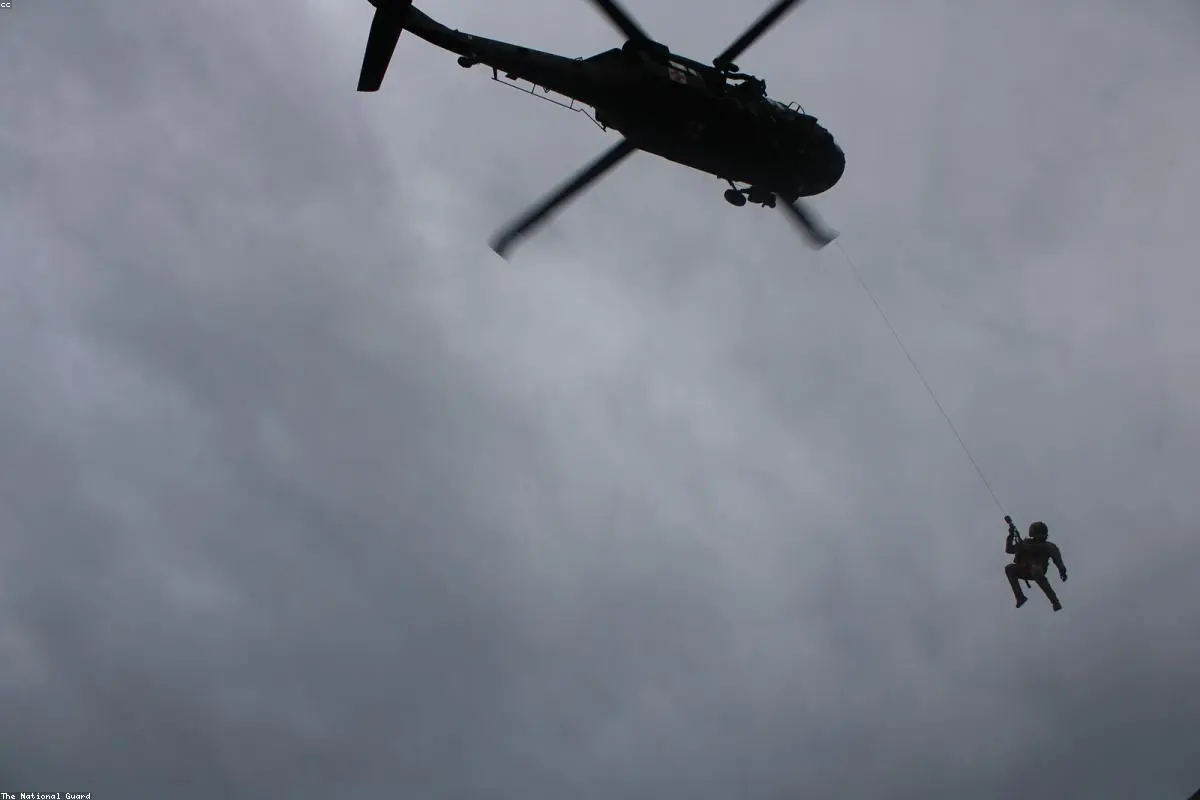
When the news first broke of a 'hard landing' involving the helicopter carrying President Ebrahim Raisi and Foreign Minister Hossein Amir-Abdollahian, the world braced for a tectonic shift in Middle Eastern geopolitics. The rugged, fog-drenched mountains of East Azerbaijan became the center of a global vigil. Yet, as the grim reality of the crash was confirmed, a second narrative began to emerge from Tehran—one of stoic, almost mechanical continuity.
BBC Chief International Correspondent Lyse Doucet, a veteran observer of the region's complex pulses, noted that while the event is objectively catastrophic, it is also 'an extraordinary moment Iran has been preparing for.' This isn't just a comment on the regime's emergency protocols; it is a reflection of a system that has fundamentally prioritized survival and stability above all else since the 1979 revolution.
The Architecture of Continuity
In many democracies, the sudden death of a head of state and a top diplomat would trigger a constitutional crisis or, at the very least, a period of profound political paralysis. In the Islamic Republic, however, the power structure is designed with layers of redundancy. Supreme Leader Ayatollah Ali Khamenei was quick to reassure the public, stating that 'there will be no disruption in the work of the country.'
This confidence stems from the fact that while the President manages the day-to-day bureaucracy, the ultimate trajectory of the state is set by the Supreme Leader and the Islamic Revolutionary Guard Corps (IRGC). The transition to Vice-President Mohammad Mokhber was instantaneous, as dictated by the constitution. This seamless handover is part of the international diplomatic dance that Iran has perfected: projecting strength even in moments of profound vulnerability.
A Protégé Lost and a Succession Complicated
Despite the functional continuity, the loss of Ebrahim Raisi is a significant blow to the long-term vision of the Supreme Leader. Raisi was more than just a president; he was a loyalist, a hardliner, and widely considered a top contender to eventually succeed the 85-year-old Khamenei. His presidency was a period where all branches of government were finally aligned under a singular, ultra-conservative vision.
According to the original BBC report, this moment forces the regime to recalibrate its succession plans much earlier than anticipated. The 50-day window now open to organize new elections isn't just a logistical challenge—it’s a political minefield. The establishment must find a candidate who can command the same level of loyalty from the hardline base while navigating an electorate that has shown increasing signs of disillusionment and domestic unrest.
The Shadow of the 'Axis of Resistance'
Beyond the borders of Iran, the impact of Raisi’s death is being felt by the various non-state actors that Tehran supports. From Hezbollah in Lebanon to the Houthis in Yemen, the 'Axis of Resistance' relies on a steady hand in the Foreign Ministry and the President's office to coordinate its regional strategy. Hossein Amir-Abdollahian, who perished alongside Raisi, was a key architect of this regional outreach.
However, experts suggest that Iran's regional strategy is unlikely to pivot. The support for proxies and the adversarial stance toward Israel and the West are not the policies of one man, but the foundational pillars of the state. The 'extraordinary moment' Doucet refers to includes the regime's ability to maintain its external pressure campaigns even while mourning at home. The machine of the IRGC remains untouched by the crash, ensuring that the 'shadow war' in the region continues without a heartbeat of hesitation.
Looking Toward an Uncertain Ballot
The coming weeks will be a test of the regime's ability to manage optics. In previous elections, the disqualification of moderate candidates led to record-low turnouts, signaling a widening gap between the people and the state. Now, the leadership must decide whether to loosen the reins to encourage participation—giving the new president a veneer of popular legitimacy—or to double down on a hardline successor to ensure ideological purity.
As Lyse Doucet points out, the system is designed to absorb these shocks. But the cumulative pressure of economic sanctions, internal dissent, and now the loss of two of its most prominent faces puts that design to its ultimate test. This isn't just about finding a new president; it's about proving that the revolutionary project can outlive its architects, no matter how thick the fog or how steep the mountain.
Key Takeaways for the International Community:
- Stability First: The Supreme Leader’s immediate intervention aims to prevent internal power struggles from leaking into the public eye.
- Regional Constancy: Expect no significant change in Iran’s foreign policy or its support for regional proxies in the short term.
- The Succession Question: The search for a new president will reveal the current internal strength of the hardline factions and their plans for the post-Khamenei era.