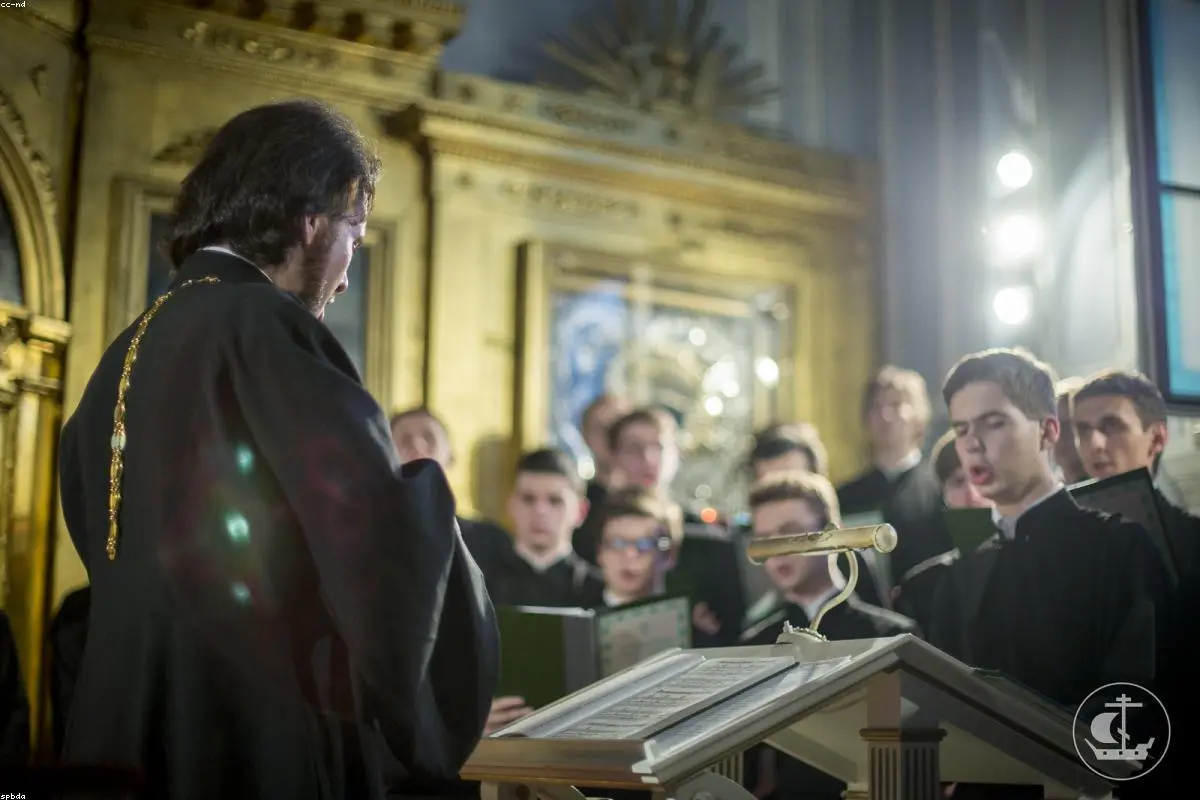
A Brief Reprieve Amidst the Thunder of War
For the first time in what feels like an eternity for those on the front lines, the relentless sound of artillery may give way to the ringing of church bells. In a development that has caught many seasoned observers by surprise, Moscow and Kyiv have reached a tentative agreement for an Orthodox Easter truce. While the conflict has seen numerous failed attempts at de-escalation, this specific pause is rooted in a shared cultural and religious heritage that still holds significant weight for the soldiers in the trenches and the civilians in the bunkers.
The agreement, which is set to last through the duration of the holiday weekend, was reportedly brokered after weeks of quiet back-channeling. It represents one of the few instances where both sides have managed to align their interests, even if only for 48 hours. For the families separated by the conflict, this window provides a fleeting opportunity to contact loved ones or attend services without the immediate fear of overhead strikes.
The Diplomatic Mechanics Behind the Peace
Reaching this point was no small feat. Diplomacy in the current climate is often a zero-sum game, but the religious significance of Easter provided a unique leverage point. According to reports from the BBC, religious leaders from both the Eastern and Western traditions have been mounting pressure on political figures to honor the sanctity of the day. This pressure, combined with the logistical need for both militaries to rotate exhausted personnel, likely created the necessary space for the truce to take hold.
Within the broader international community, the announcement has been met with a mixture of cautious optimism and deep-seated skepticism. Foreign ministries across Europe and North America are watching closely to see if the ceasefire holds, as previous 'holiday truces' in this conflict have often been marred by sporadic violations and finger-pointing. However, the formal nature of this particular agreement suggests a higher level of commitment than the unilateral declarations seen in years past.
Humanitarian Implications on the Front Lines
Beyond the high-level politics, the truce carries immense practical weight. Humanitarian organizations have already begun mobilizing to use this quiet period to deliver essential supplies—food, medicine, and clean water—to areas that have been inaccessible due to active shelling. In cities like Bakhmut and the surrounding villages, where the infrastructure has been pulverized, two days of silence can mean the difference between life and death for those unable to flee.
For the soldiers themselves, the psychological impact is perhaps even more profound. War is an exhausting endeavor, not just physically but spiritually. A truce allows a moment for reflection, a chance to clean equipment, and most importantly, a moment to mourn those lost without the immediate threat of joining them. It is a reminder of the common humanity that exists even between adversaries who share the same religious calendar.
Can a Holiday Truce Lead to Something More?
The big question looming over the weekend is whether this temporary pause can be leveraged into a more sustained dialogue. History is filled with examples where 'Christmas Truces' or similar holiday breaks led to localized cooling of tensions, but translating that into a full-scale peace treaty is a different challenge entirely. The fundamental issues—territorial integrity, national sovereignty, and security guarantees—remain as thorny and unresolved as ever.
Strategic analysts suggest that while the truce is a positive humanitarian gesture, it may also serve tactical purposes. Both sides have been engaged in a grinding war of attrition, and a short break allows for a regrouping that might lead to intensified fighting once the holiday ends. This duality is the tragic reality of modern conflict; even a gesture of peace can be viewed through the lens of military advantage.
The Role of Faith in Conflict
The Orthodox Church has found itself in a complex position since the start of the invasion. With deep ties to both Russian and Ukrainian identity, the church has often been a site of internal division. This truce, however, represents a moment where the spiritual leadership has managed to transcend political boundaries to advocate for the safety of their flocks. It highlights the enduring power of faith as a unifying force, even when political ideologies have driven a deep wedge between neighbors.
As the sun rises on Easter Sunday, the world will be watching the horizon. Will the drones remain grounded? Will the rockets stay in their launchers? For at least a few hours, the hope is that the only thing filling the air will be the traditional Paschal greeting. Whether this silence is the beginning of a longer conversation or merely a brief intermission in a long and painful drama remains to be seen. For now, the people of the region will take whatever peace they can get, however fleeting it may be.


