For nearly seven years, the rhythmic sound of gunfire has been a grim constant in the Northwest and Southwest regions of Cameroon. However, a sudden and significant shift in the landscape of the conflict has emerged. In a move that has caught many diplomatic observers by surprise, separatist leaders have announced a temporary ceasefire. The reason? The upcoming visit of Pope Francis to the region, a gesture intended to show respect for the pontiff’s message of peace.
The conflict, often referred to as the 'Anglophone Crisis,' has its roots in deep-seated grievances over the perceived marginalization of Cameroon’s English-speaking minority by the Francophone-dominated central government. What began as peaceful protests by teachers and lawyers in 2016 quickly spiraled into a full-blown armed insurgency. Since then, the International community has watched with growing concern as thousands have been killed and hundreds of thousands displaced. This temporary pause, while fragile, represents the most significant de-escalation in recent memory.
The Power of the Papacy in a Divided Land
The Catholic Church holds immense sway in Cameroon. For many citizens caught in the crossfire, the Church is not just a religious institution but a primary provider of healthcare, education, and humanitarian aid. By announcing a halt to fighting, the Ambazonia separatist groups—who are fighting for the independence of a new state they call 'Ambazonia'—are acknowledging the moral authority of the Vatican.
According to reports from the BBC, the decision to pause military operations is a tactical show of goodwill. separatist commanders have stated that the 'silencing of the guns' is meant to allow the Pope’s message to resonate without the backdrop of violence. However, this is not a formal peace treaty. It is a unilateral gesture, and the world is now watching to see if the central government in Yaoundé will reciprocate the move.
A Humanitarian Window of Opportunity
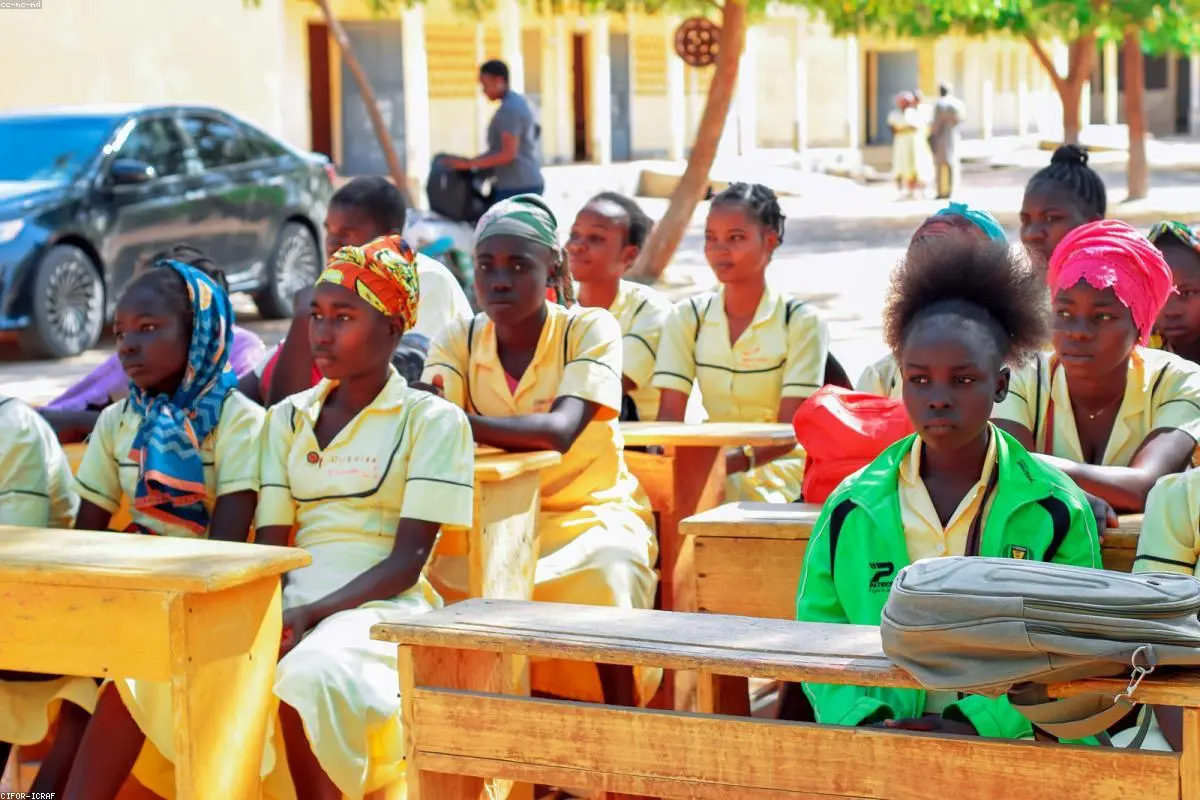
The human cost of the Cameroon conflict has been staggering. Civilians have frequently found themselves trapped between the scorched-earth tactics of the national military and the guerrilla warfare of the 'Amba Boys.' Schools have been shuttered for years, and entire villages have been burned to the ground. This ceasefire, even if temporary, provides a vital window for humanitarian organizations to reach isolated communities that have been cut off from essential supplies.
- Aid Distribution: NGOs can move more freely to deliver food and medicine to displaced families.
- Religious Pilgrimage: Thousands of faithful are expected to travel across regional borders to catch a glimpse of the Pope.
- Psychological Relief: For many children in the conflict zones, this may be the first time in years they have experienced a week without the threat of abduction or crossfire.
While the temporary truce is being welcomed by many, long-term observers of African International affairs remain cautious. Past attempts at dialogue have often stalled before they could gain momentum. The central government has historically been reluctant to grant the level of autonomy demanded by the Anglophone regions, often opting for a military-first approach that critics say only fuels further radicalization.
Analyzing the Political Undercurrents
Why now? Beyond the religious significance, the timing of the ceasefire is likely a strategic move by separatist leaders to gain international legitimacy. By positioning themselves as 'reasonable actors' capable of discipline and respect for international figures like the Pope, they hope to draw more sympathetic attention to their cause on the global stage. This isn't just about faith; it's about optics.
The source context of this development, as highlighted by the BBC’s latest reporting, suggests that the Vatican has been working quietly behind the scenes for months. Papal diplomacy often operates in the shadows, using the Church's vast network to facilitate talks where formal state-to-state diplomacy has failed. If the Pope can use this visit to secure even a slight commitment toward a permanent inclusive dialogue, it would be seen as a major success for Vatican foreign policy.
The Road Ahead: Beyond the Visit
The real test will come once the Papal plane departs Cameroon. Will the guns remain silent, or will the region slide back into the familiar cycle of violence? History suggests that without addressing the core issues of political representation and economic equity, any ceasefire is merely a stay of execution. The 'Anglophone problem' is a complex knot of colonial history and post-independence governance that requires more than a symbolic gesture to untie.
For the people of Bamenda, Buea, and Kumba, the coming days offer a rare chance to breathe. The hope is that the 'spirit of the visit' might catalyze a more permanent shift toward reconciliation. As the Pope arrives with a message of 'Peace be with you,' the entire region will be holding its collective breath, hoping that this brief interlude of silence is not the quiet before another storm, but the beginning of a genuine conversation about the future of Cameroon.