The Sound of Help from Above
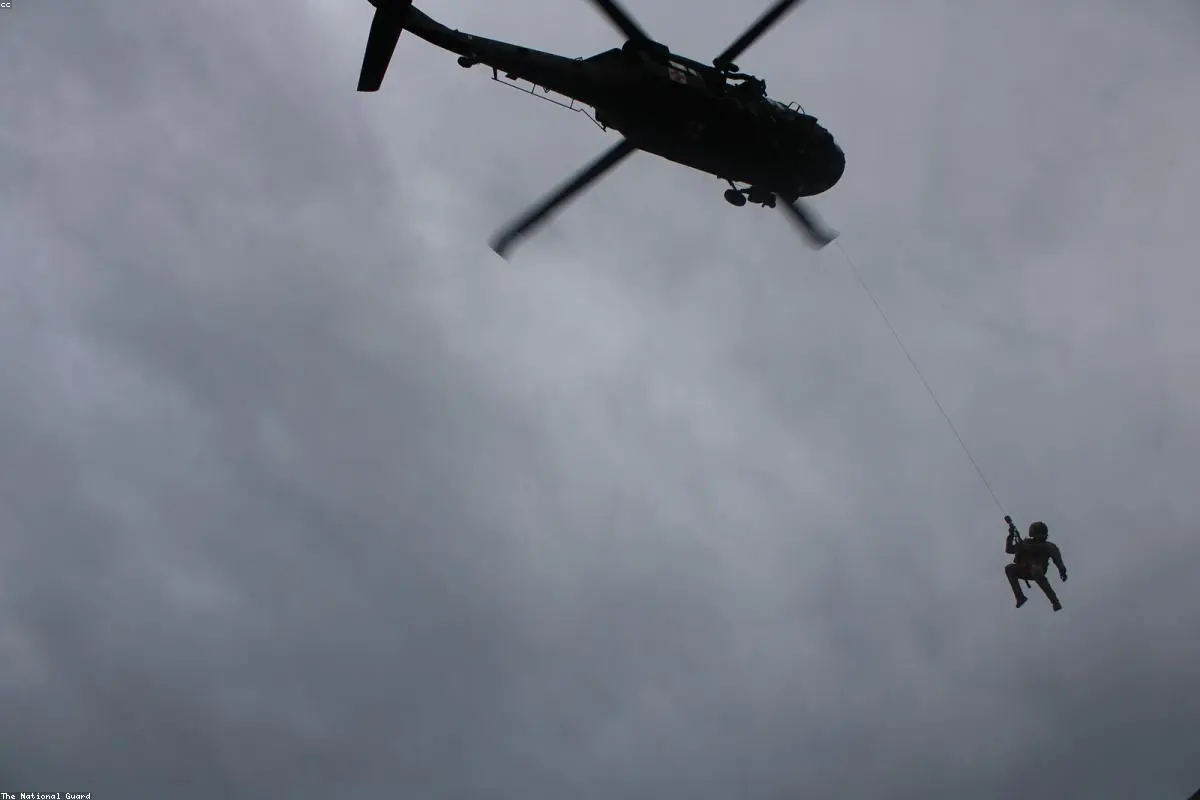
In the vast, churning expanse of the South Atlantic, isolation is not just a concept—it is a daily reality. For the residents of Tristan da Cunha, known as the most remote inhabited archipelago on Earth, the arrival of a ship is a major event. But recently, the horizon brought something far more urgent: the roar of an A400M Atlas aircraft and the sight of parachutes blooming against the gray sky.
A specialized medical team from the British Army was forced to take this extreme measure to reach a British national who had fallen critically ill. The patient, whose identity has been kept private, began showing symptoms consistent with a hantavirus infection. In a location thousands of miles from the nearest hospital capable of intensive care, the situation quickly escalated from a local medical concern to a high-stakes military rescue operation.
The logistics of such a mission are staggering. Tristan da Cunha has no airstrip, meaning fixed-wing aircraft cannot land. Typically, medical evacuations are handled by passing ships, but the severity of a suspected hantavirus case requires immediate intervention that a cargo vessel simply cannot provide. This necessitated the rare use of a parachute drop to deliver both personnel and advanced medical equipment directly to the island's rugged terrain.
Understanding the Threat: What is Hantavirus?
While often overshadowed by more common global health concerns in the International news cycle, hantavirus is a formidable foe. It is a family of viruses spread mainly by rodents. Humans can contract the illness through contact with rodent urine, droppings, or saliva, or by breathing in dust contaminated with the virus.
There are two primary ways the virus manifests in humans: Hantavirus Pulmonary Syndrome (HPS) and Hemorrhagic Fever with Renal Syndrome (HFRS). Both are severe. HPS, in particular, starts with seemingly benign flu-like symptoms—fever, cough, and muscle aches—before rapidly progressing to severe respiratory distress. According to medical experts, the mortality rate for HPS can be as high as 38%, making rapid diagnosis and treatment essential for survival.
In the context of a remote island, the difficulty isn't just treating the virus; it's confirming it. Specialized laboratory tests are required to differentiate hantavirus from other respiratory illnesses, a luxury the small medical clinic on Tristan da Cunha does not possess. This ambiguity is what likely triggered the high-level response from the UK Ministry of Defence.
A Feat of Military Coordination
The mission involved a coordinated effort between the British Army, the Royal Air Force, and local authorities. As reported by the BBC, the deployment of the medical team was a necessary gamble given the patient's deteriorating condition. The A400M aircraft, operating out of the Falkland Islands—itself a significant distance away—served as the primary delivery vehicle for the life-saving team.
Once on the ground, the military medics worked to stabilize the patient, preparing them for the arduous journey to a mainland hospital. This type of 'medevac' often involves a combination of sea and air transport, frequently requiring a ship to carry the patient to a location where a long-range helicopter or jet can safely perform a pickup. Every hour saved by the initial parachute drop could be the difference between recovery and a tragic outcome.
Beyond the immediate medical care, this operation highlights the unique challenges faced by British Overseas Territories. These far-flung remnants of history rely on a delicate thread of support from the United Kingdom, particularly when local resources are overwhelmed by rare medical emergencies.
The Global Context of Remote Healthcare
This incident serves as a stark reminder of the vulnerabilities inherent in isolated communities. While the modern world feels more connected than ever, there are still pockets of the planet where a medical emergency is a logistical nightmare. The successful deployment of paratroopers into a remote community is a testament to military readiness, but it also raises questions about the long-term sustainability of medical care in such regions.
As climate change and environmental shifts alter the habitats of rodent populations worldwide, the geographic range of viruses like hantavirus may continue to shift. This makes the ability to deploy rapid-response medical teams across international borders more critical than ever. For the Briton currently receiving care, the sound of that aircraft was a lifeline—a signal that despite being thousands of miles from home, they were not forgotten.
The patient is currently reported to be under the care of specialized teams, and the international community remains hopeful for a full recovery. This mission will likely be studied for years to come as a textbook example of how military precision can be harnessed for humanitarian and life-saving ends in the most challenging environments on Earth.