The Holiday Hangover Hits Early
For much of the past year, the American consumer has been the undisputed heavyweight champion of the global economy. Despite high interest rates and the nagging persistence of inflation, shoppers continued to open their wallets, defying the grim predictions of many Wall Street analysts. However, the latest data suggests that the champion might finally be feeling a bit winded.
According to recent figures highlighted by the BBC, US consumer spending rose by a modest 0.2% in December. While any growth is generally viewed as positive, this figure fell short of expectations and marked a noticeable deceleration from previous months. It raises a pivotal question for the year ahead: Are we seeing a healthy return to normalcy, or is the engine of the US economy starting to sputter?
Breaking Down the December Data
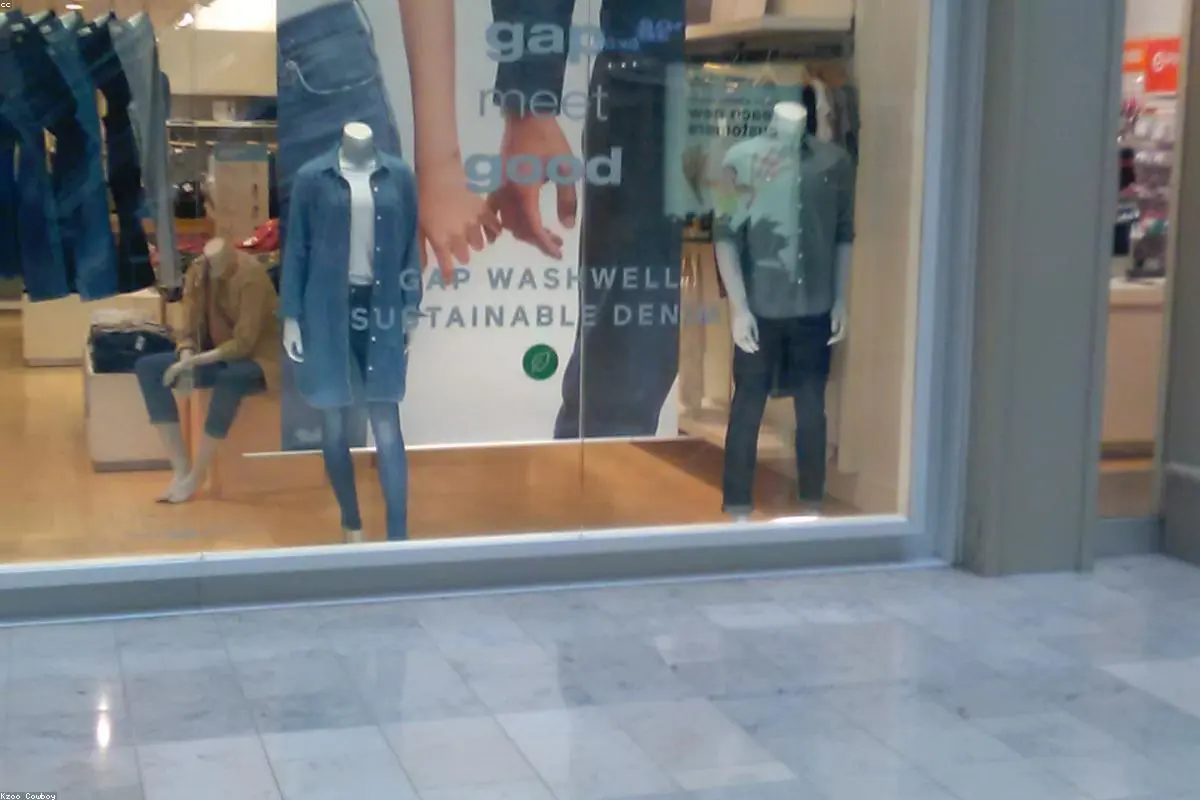
When we look beneath the surface of the 0.2% increase, a more nuanced picture emerges. Spending on services—things like healthcare, housing, and travel—remained relatively stable. The real cooling occurred in the retail sector, particularly in durable goods. It appears that the frantic pace of purchasing electronics, furniture, and clothing that defined the post-pandemic era has reached a plateau.
One reason for this December dip might actually be found in October and November. In recent years, the "holiday shopping season" has crept earlier into the calendar. Retailers, desperate to capture early market share, launched major promotions well before Black Friday. This "front-loading" of purchases likely cannibalized the traditional December surge, leaving many households with little left on their shopping lists—and perhaps even less in their bank accounts—by the time the ball dropped in Times Square.
For more in-depth analysis of how these trends affect global markets, you can explore our latest reports in the Business section.
The Federal Reserve’s Delicate Balancing Act
While a slowdown in spending might sound like bad news for retailers, it is exactly what the Federal Reserve has been trying to achieve. For nearly two years, Jerome Powell and his colleagues have been on a mission to cool the economy enough to bring inflation back down to their 2% target without triggering a full-blown recession—the elusive "soft landing."
The cooling of consumer demand is a signal that the Fed’s interest rate hikes are finally filtering through the system. When it costs more to carry a balance on a credit card or take out an auto loan, people naturally become more selective with their spending. If the Fed sees that demand is stabilizing, they may feel more confident in maintaining or eventually cutting interest rates later this year. However, the risk remains: if spending drops too sharply, the "soft landing" could quickly turn into a hard crash.
Rising Debt and Dwindling Savings
The resilience of the American consumer over the last 18 months was largely fueled by two things: a robust job market and a mountain of pandemic-era savings. Unfortunately, one of those pillars is looking increasingly shaky. Economists note that the "excess savings" accumulated during lockdowns have largely been depleted for middle- and lower-income households.
To keep up with the cost of living, many Americans have increasingly turned to credit. Total credit card debt in the US has hit record highs, and delinquency rates are beginning to tick upward. This suggests that the December slowdown wasn't just a choice—it might have been a necessity. When consumers reach their credit limits, the economy loses its primary driver of growth. This shift in financial health is perhaps the most significant warning sign for the first half of 2025.
Looking Ahead: Resilience or Retreat?
It is important not to overreact to a single month of data. The labor market remains relatively tight, and wage growth, while slowing, is still keeping pace with inflation in many sectors. This provides a safety net that could prevent a total collapse in spending. Furthermore, consumer sentiment has shown signs of improvement as people begin to feel that the worst of the inflationary spike is behind them.
The true test will come in the first quarter of the new year. Historically, Q1 is a period of retrenchment as families pay off holiday bills and wait for tax refunds. If spending remains sluggish through February and March, the pressure on the Federal Reserve to pivot toward rate cuts will become immense. For now, the US economy is in a state of watchful waiting.
Ultimately, December's data isn't a definitive prophecy of doom, but it is a clear reminder that the era of "revenge spending" is over. The path forward will require a more disciplined consumer and a very careful hand from policymakers to ensure that the current slowdown remains a cooling period rather than a freeze.