The Race Against a Shifting Virus
For decades, the phrase 'bird flu' was something that mostly concerned poultry farmers and conservationists. However, the narrative around H5N1 has shifted dramatically over the last two years. What was once a seasonal threat to avian populations has evolved into a year-round global crisis, spreading into mammals ranging from sea lions to grizzly bears, and most recently, dairy cows in the United States. It is against this backdrop of increasing viral 'spillover' that scientists at the University of Oxford have officially launched a human trial for a vaccine targeting a potential pandemic strain of avian influenza.
This initiative isn't born out of immediate panic, but rather a calculated strategy for pandemic preparedness. While the current risk to the general public remains low, the virus's ability to infect cattle—a species in close daily contact with humans—has raised red flags across the global health community. By starting human trials now, researchers hope to bypass the chaotic scramble for solutions that characterized the early days of the COVID-19 pandemic.
Understanding the Oxford Trial
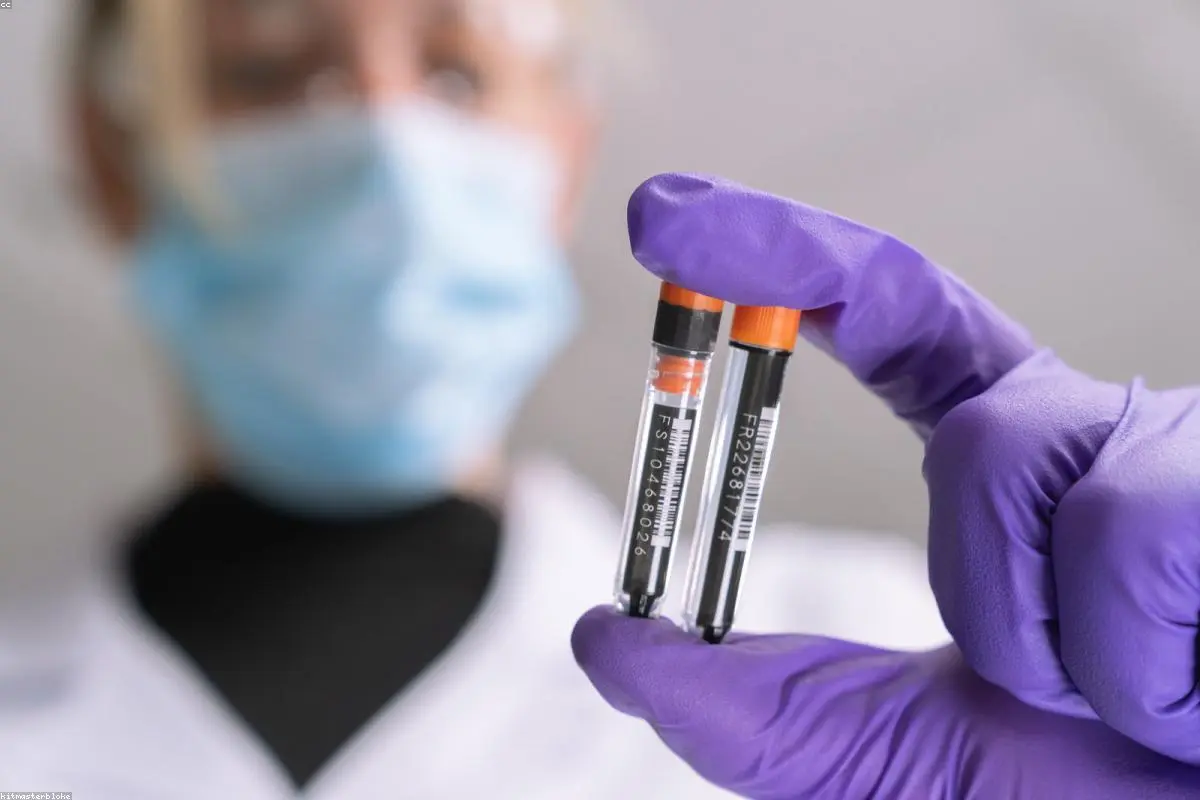
The trial, which was recently highlighted in a report by the BBC, involves a small cohort of healthy volunteers aged 18 to 55. Unlike the rapid-response mRNA vaccines we became familiar with recently, this particular research is exploring how the immune system reacts to specific proteins found in the H5 strain. The primary goal of this Phase 1 study is to assess safety and the dosage required to trigger a robust immune response.
The significance of this trial lies in its timing. Usually, vaccine development happens reactively—once a virus begins spreading among humans, the clock starts ticking. By developing and testing a candidate vaccine while the virus is still primarily circulating in animals, the scientific community is essentially building a 'firewall' before the fire reaches the house. If H5N1 were to mutate into a form that spreads easily between people, having a tested, ready-to-scale vaccine template could save months, if not years, of development time.
Why H5N1 is Keeping Scientists Up at Night
Virologists are particularly concerned about H5N1 because of its high mortality rate in birds and its potential severity in humans. While human cases are currently rare and usually linked to direct contact with infected livestock, the outcomes can be devastating. The fear is 'reassortment'—a process where a person or animal is infected with both a human flu virus and a bird flu virus at the same time, allowing the two to swap genetic material.
This genetic shuffling could result in a virus that possesses the lethal qualities of bird flu but the easy transmissibility of the common seasonal flu. This is why the Oxford trial is focusing on a strain that closely matches the current circulating versions of H5N1. Modern medicine has the tools to combat these threats, but those tools are only effective if they are sharpened and ready for use before the crisis hits its peak.
The Role of Next-Generation Technology
One of the most promising aspects of current vaccine research is the move toward platforms that can be updated quickly. Much like a software patch, researchers are working on vaccine 'backbones' where the specific genetic code of a new strain can be inserted. This trial helps validate those platforms for influenza. If the virus changes—which flu viruses are notorious for doing—scientists won't have to start from scratch. They can simply update the 'insert' while relying on the safety data already gathered from this trial.
The logistical hurdles of a potential pandemic are just as daunting as the biological ones. Manufacturing billions of doses requires established supply chains and specialized facilities. By proving the efficacy of this vaccine now, governments can begin coordinating with manufacturers to ensure that production lines can be pivoted at a moment's notice. It is a massive undertaking that requires international cooperation and transparent data sharing.
The Global Perspective on Preparedness
While the Oxford trial is a significant milestone, it is part of a much larger, multi-national effort. From the CDC in the United States to the World Health Organization (WHO), surveillance has been ramped up significantly. Monitoring wastewater, testing farm workers, and sequencing the genomes of viruses found in wildlife are all critical parts of the defense strategy. These efforts ensure that if a mutation occurs that increases human-to-human transmission risk, we will know within days, not weeks.
Public health experts emphasize that the goal is not to cause alarm, but to foster a sense of security through readiness. We have seen what happens when the world is caught off guard, and the current investment in bird flu vaccine trials is a direct lesson learned from history. As these volunteers receive their first doses in Oxford, they are contributing to a global safety net that aims to keep the next big threat firmly in check.
The coming months will provide vital data on how well this vaccine performs. In the meantime, the work continues behind lab doors and on farms across the globe. Science is often a race, but in the case of H5N1, it’s a race where we are finally taking an early lead.