Defending the Depth of a National Post-Mortem
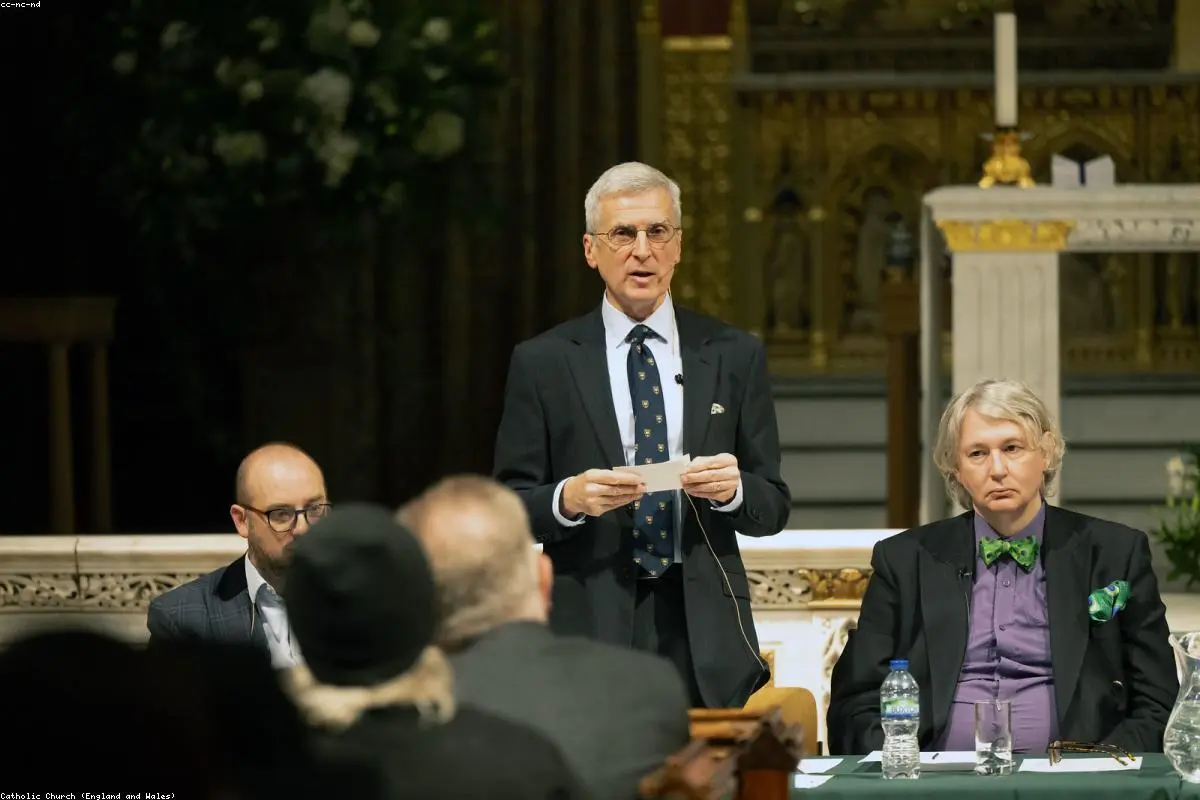
After months of grueling testimony and millions of pages of evidence, the first major phase of the UK Covid-19 inquiry has reached its final day of public hearings. But as the legal teams begin to pack away their briefs, the conversation has shifted from the content of the evidence to the logistics of the inquiry itself. Baroness Heather Hallett, the retired Court of Appeal judge leading the probe, used her closing remarks to confront a growing chorus of criticism regarding the investigation's projected £208 million price tag and its expected four-year duration.
For many, the figures are eye-watering. In an era of stretched public finances, a nine-figure sum for a retrospective look at the pandemic invites scrutiny. However, Baroness Hallett was uncompromising in her stance. She suggested that to do anything less than a total, deep-dive forensic analysis would be to fail the British public. To trim the budget or rush the process, she argued, would result in a "slipshod" report that would offer no real protection against future crises.
The High Cost of Lessons Learned
The inquiry isn't just a look at government press conferences or hospital capacity; it is an sprawling examination of how a modern state functions—or fails—under extreme pressure. Within the broader context of national Health policy, the inquiry serves as a critical mechanism for accountability. Baroness Hallett noted that the pandemic affected every single person in the United Kingdom, making it perhaps the most complex administrative task the country has faced in peacetime.
"If we don't do it properly, it's a waste of money," she told the hearing room. Her argument rests on the idea that the cost of the inquiry, while high, is a fraction of the economic and human cost of the pandemic itself. If the findings can prevent even a month of lockdown in the future or streamline the procurement of life-saving equipment, the investment could effectively pay for itself many times over.
According to reports from the BBC, the scale of the task is truly staggering. The inquiry is managing tens of thousands of documents, many of which were never intended for public consumption, including internal WhatsApp messages and private government memos that reveal the unfiltered chaos of 2020.
More Than Just a Paper Trail
Beyond the numbers and the legal arguments lies the human element. For the families of the bereaved, the inquiry is often the only path toward a sense of justice or closure. Baroness Hallett was particularly sensitive to this, stating that a cut-price inquiry would be an "insult" to those who died and those who continue to suffer from the long-term effects of the virus.
The variety of issues being covered—from the initial lockdowns and the resilience of the NHS to the impact on the care sector and the education system—requires a modular approach. This is why the process is slated to take years rather than months. Each module acts as its own mini-trial, requiring its own set of experts, witnesses, and legal reviews.
- Module 1: Resilience and preparedness (the focus of the current closing).
- Module 2: Core political decision-making and governance.
- Module 3: The impact of the pandemic on healthcare systems.
- Module 4: Vaccines, therapeutics, and anti-viral treatments.
The Tension Between Speed and Accuracy
There is, of course, a valid concern regarding the "lessons learned" timeline. If the final recommendations aren't published until 2026 or 2027, will they still be relevant? The world of public health moves quickly, and there are fears that the next "Disease X" could arrive before the ink is even dry on Baroness Hallett’s final report.
To combat this, the inquiry has committed to publishing interim reports. This allows for immediate changes to be implemented in the Health sector without waiting for the entire four-year process to conclude. It’s a middle-ground solution designed to satisfy the need for urgent reform while maintaining the integrity of the long-term investigation.
Final Reflections on a National Crisis
As the first module wraps up, the inquiry has already painted a sobering picture of a nation that was, in many ways, preparing for the wrong disaster. Much of the early testimony suggested that while the UK had a plan for a flu-like pandemic, it was woefully underprepared for a coronavirus. This distinction may seem academic, but it was the difference between life and death for thousands.
Baroness Hallett’s defense of the inquiry’s cost is essentially a defense of the value of truth. In a political landscape often dominated by soundbites and short-termism, a four-year, £200 million deep dive is a rare example of a society actually stopping to look in the mirror. Whether the public accepts the price tag likely depends on how actionable the final recommendations turn out to be. For now, the chair remains steadfast: you cannot put a bargain-bin price on the safety of the future.