Beyond Bricks and Mortar: A Revolution in Patient Care
For anyone who has navigated the labyrinthine corridors of a traditional hospital while facing a life-altering diagnosis, the news of new, dedicated cancer care centres feels like more than just a public works project. It feels like a promise. The recent announcement that several high-tech oncology hubs are set to be built marks a pivotal shift in how we approach one of the most significant health challenges of our time. It is a move away from the 'one-size-fits-all' hospital model toward specialized environments designed specifically for the unique physical and emotional demands of cancer treatment.
These new facilities aren't just about adding more beds; they are about reimagining the patient journey. Current data suggests that early intervention is the single most important factor in survival rates, yet diagnostic backlogs often stand in the way. By creating standalone centres, the goal is to streamline the path from the first screening to the start of treatment, ensuring that no one falls through the cracks of a strained healthcare system.
Tackling the Postcode Lottery
One of the most persistent issues in modern medicine is geographic disparity—often referred to as the 'postcode lottery.' Depending on where you live, access to the latest radiotherapy equipment or clinical trials can vary wildly. The planned expansion of these care centres aims to bridge this gap. By strategically placing these hubs in underserved regions, health authorities are looking to ensure that cutting-edge medicine isn't a luxury reserved for those in major metropolitan areas.
As reported by the BBC, this initiative is a direct response to the growing demand for specialized oncology services. The investment reflects a deep understanding that a patient’s environment plays a crucial role in their recovery. Modern designs prioritize natural light, quiet spaces for reflection, and integrated wellness suites, acknowledging that healing involves the mind just as much as the body.
The Role of Integrated Technology
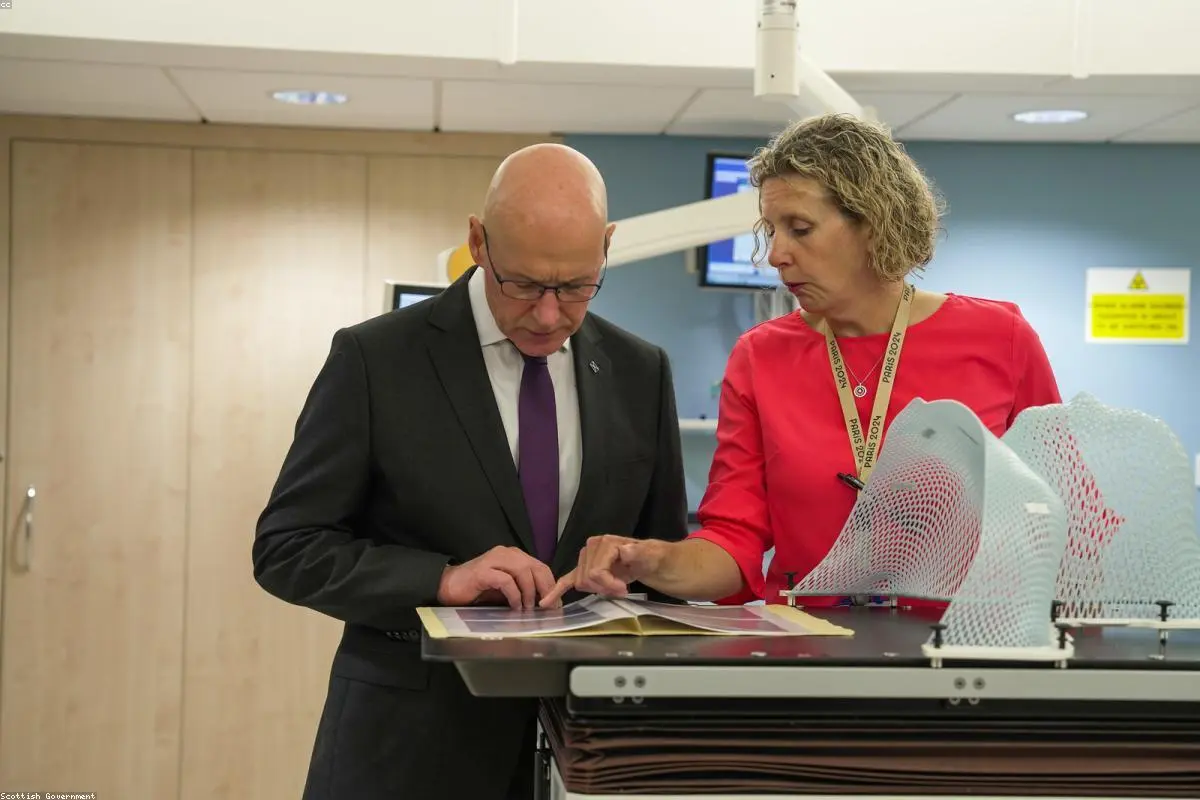
In these new centres, the 'care' aspect is being augmented by some of the most advanced technology available. We aren't just talking about newer machines, but rather an entirely integrated digital ecosystem. Imagine a facility where AI-driven diagnostics help radiologists spot anomalies faster than ever before, and where personalized genomic mapping allows doctors to tailor chemotherapy to a patient's specific DNA profile.
This isn't science fiction; it is the blueprint for these new builds. By centralizing these technologies under one roof, the medical teams can collaborate in real-time. A surgeon, an oncologist, and a nutritionist can meet in the same space to discuss a patient’s progress, moving away from the fragmented communication that often slows down recovery in larger, multi-purpose hospitals.
A Focus on the Human Element
While the technology is impressive, the real heart of this expansion lies in the human element. The nursing staff and support teams in these centres will have access to environments that reduce burnout, allowing them to focus more on patient interaction. When the infrastructure works efficiently, the staff have more time for the conversations that matter—the ones where they explain a procedure, offer a hand to hold, or simply listen to a patient’s fears.
Furthermore, these centres are expected to become hubs for community education. Beyond treating the sick, they will serve as resources for cancer prevention and early detection workshops. This proactive approach to public health is essential for reducing the long-term burden on the medical system and, more importantly, saving lives before a crisis occurs.
Looking Toward a Sustainable Future
The construction phase is only the beginning. The long-term success of these cancer care centres will depend on consistent funding and the ability to attract top-tier medical talent. However, the current momentum is encouraging. It signals a national priority to modernize healthcare infrastructure in a way that respects the dignity of the patient.
As we look forward, the hope is that these centres will serve as a template for other areas of specialized medicine. If we can get cancer care right—by combining technological prowess with compassionate, localized service—we provide a roadmap for the future of the entire healthcare industry. For the thousands of families affected by cancer each year, these new buildings represent more than just a destination for treatment; they represent a significant step toward a future where a diagnosis is met with the best possible chance of a positive outcome.