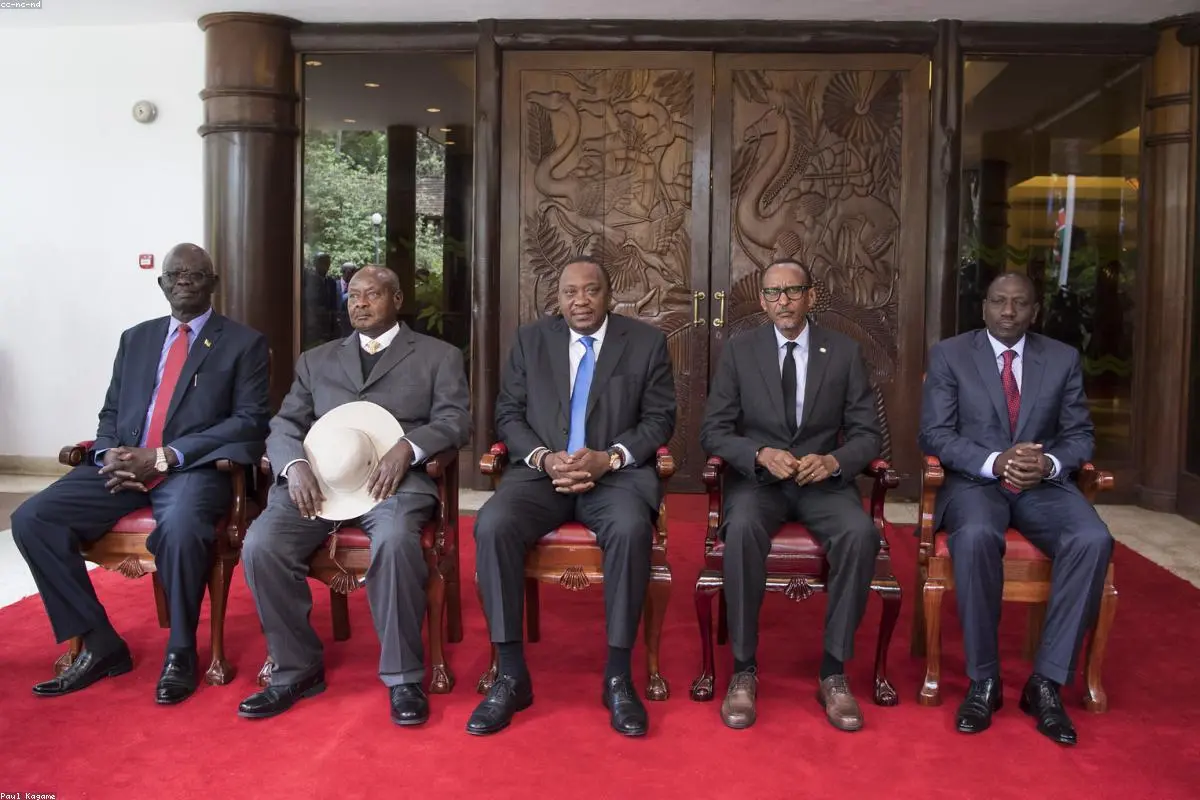
The Familiar Pomp of a Historic Inauguration
Under the expansive skies of the Kololo Independence Grounds in Kampala, the air was thick with the scent of tradition and the heavy weight of history. Yoweri Museveni, the man who has defined Ugandan politics for nearly four decades, once again placed his hand on the Bible to begin a record-breaking seventh term. For many in attendance, the ceremony was a celebration of the stability and economic growth he has presided over since 1986. For others, it served as a stark reminder of the narrowing path for political transition in the East African nation.
The event was far from a quiet affair. Several African heads of state and foreign dignitaries gathered to witness the swearing-in, signaling Museveni’s continued relevance in the broader international geopolitical landscape. Despite the festive atmosphere and the vibrant military displays, the undertones of the event were undeniably complex. At 79, Museveni remains a figure of both reverence and intense debate, leading a country where the median age is just 16—meaning the vast majority of his constituents have never known another leader.
Security, Stability, and the Cost of Longevity
Museveni’s enduring tenure is often credited to his ability to maintain internal security in a region frequently marred by volatility. Since the end of the bush war that brought him to power, Uganda has transitioned from a shattered state into a significant regional player. His administration has been a staunch ally to Western powers in counter-terrorism efforts, particularly in Somalia, where Ugandan troops form the backbone of missions against al-Shabab.
However, this stability has come with a price tag that many human rights organizations and opposition figures find too high. The lead-up to this record term was marked by reports of restricted freedoms, internet blackouts, and the detention of political rivals. Robert Kyagulanyi, better known as the pop-star-turned-politician Bobi Wine, has consistently challenged the legitimacy of the electoral process, framing Museveni’s continued rule as a "democratic facade." According to reports from the BBC, the friction between the government's security apparatus and the opposition remains a defining characteristic of Uganda’s internal climate.
The Generational Divide: A Youthful Nation Under an Aging Leader
Perhaps the most significant challenge facing Museveni in this seventh term is the demographic shift within his own borders. Uganda possesses one of the world's youngest populations, a generation that is increasingly connected, urbanized, and hungry for economic opportunity. While the older generation often remembers the chaos of the Idi Amin and Milton Obote eras—and thus values the peace Museveni brought—the youth are more focused on unemployment and the perceived stagnation of the political elite.
During his inauguration speech, the President touched upon themes of industrialization and wealth creation, promising to transform Uganda into a middle-income country. Yet, the rhetoric of "securing the future" often clashes with the reality of young graduates struggling to find work. This seventh term will likely be judged not by the military parades in Kampala, but by the government's ability to create a sustainable economy that serves those born decades after Museveni first entered the State House.
Regional Influence and the Global Stage
Beyond its borders, Uganda's seventh term under Museveni will have significant implications for the East African Community (EAC). Museveni has long been a proponent of regional integration, pushing for a more unified economic and political bloc. His experience makes him a de facto elder statesman, often mediating disputes between neighboring states. Whether it is the ongoing tensions in the Democratic Republic of Congo or the shifting alliances within the Nile Basin, Museveni’s voice carries weight.
International observers are watching closely to see how this term affects Uganda’s relationship with the West. In recent years, there has been a noticeable pivot toward strengthening ties with China and Russia, particularly as traditional Western allies express concerns over civil liberties and social legislation. This balancing act—maintaining security partnerships with the U.S. while seeking infrastructure investment from the East—will be a centerpiece of his foreign policy over the next five years.
The Question of Succession
As the seventh term unfolds, the elephant in the room remains the question of succession. Speculation regarding Museveni’s son, General Muhoozi Kainerugaba, has intensified. While the President has not officially designated an heir, the political maneuvering within the ruling National Resistance Movement (NRM) suggests that the groundwork for the post-Museveni era is being laid. For now, however, the President shows no signs of slowing down, emphasizing that he is still the only one with the "vision" to guide the nation.
Ultimately, this record term is more than just a political milestone; it is a test of the resilience of Uganda’s institutions. Can a nation sustain a single leadership style for nearly half a century and still evolve into a modern democracy? As the celebrations at Kololo fade and the daily grind of governance returns, the eyes of the world remain fixed on the Pearl of Africa, waiting to see if this chapter leads to a peaceful transition or the further solidification of a permanent presidency.