A Hard-Won Victory in the Heart of the Congo
There is a specific kind of silence that hangs over an Ebola Treatment Center—a mixture of clinical precision and the heavy weight of uncertainty. But this week, that silence was broken by the sound of applause and relief. Five patients, who just weeks ago were facing one of the world’s most lethal pathogens, have officially recovered and returned to their families in the Democratic Republic of Congo (DRC).
This discharge is more than just a routine medical update; it is a testament to the resilience of the Congolese health system and the evolving science of viral hemorrhagic fever management. For a region that has been the epicenter of multiple outbreaks over the last decade, every survivor represents a step forward in a long, grueling marathon against the virus.
The Science of Survival
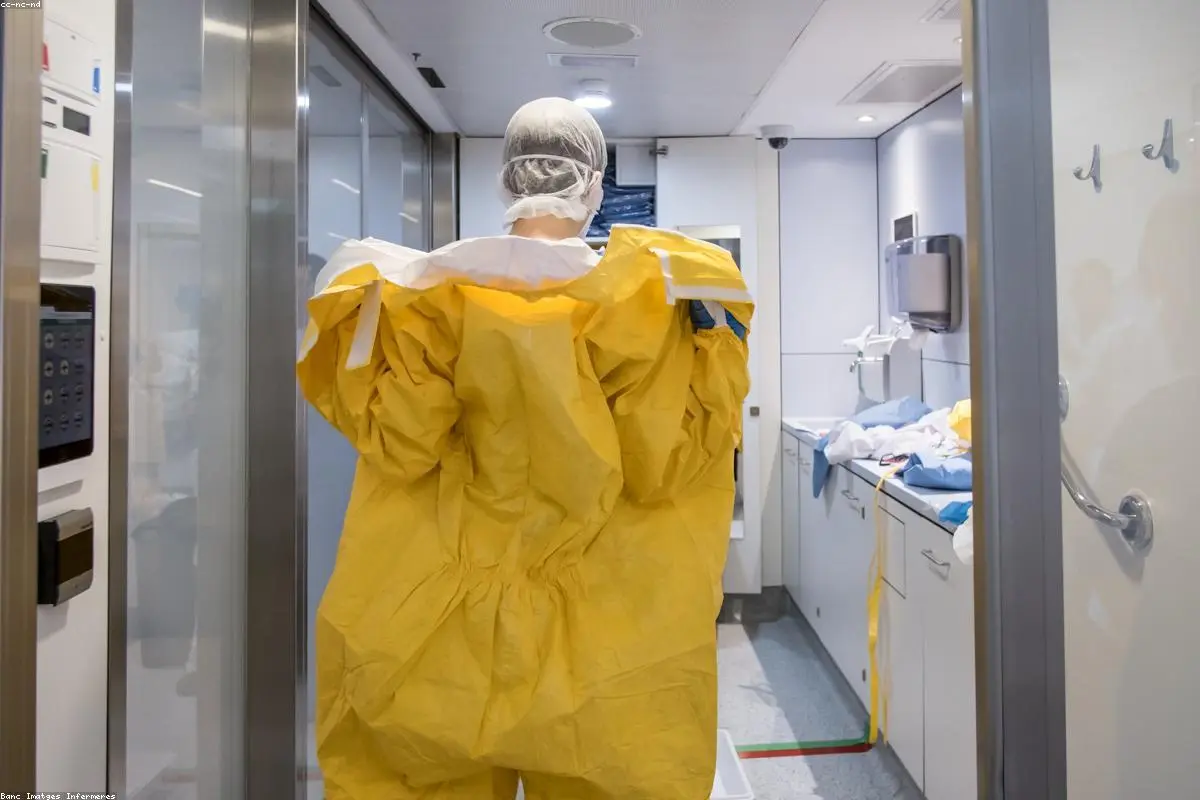
The recovery of these five individuals highlights a dramatic shift in how Ebola is treated. Gone are the days when a diagnosis was considered a near-certain death sentence. Today, the integration of monoclonal antibodies and early supportive care has shifted the odds. When patients are identified early and brought into specialized care, the survival rate climbs significantly higher than the grim statistics of the past might suggest.
Medical teams on the ground have noted that these successful outcomes are largely due to the speed of the response. The "ring vaccination" strategy, combined with rapid diagnostic testing, allows health workers to isolate cases before they blossom into uncontrollable community transmissions. However, the medical side is only half the battle; the other half is fought in the minds and hearts of the local population.
Navigating the Challenges of Global Health
The fight against Ebola in the DRC does not happen in a vacuum. It is part of a much larger, international effort to bolster pandemic preparedness in regions where infrastructure may be fragile but expertise is deep. Organizations like the World Health Organization (WHO) and Médecins Sans Frontières (MSF) work alongside local specialists to ensure that the response is both culturally sensitive and scientifically rigorous.
According to reports from the BBC, the discharge of these patients comes at a critical time when health officials are monitoring several high-risk zones. The ability to successfully treat and release patients serves as a powerful message to the community: the hospital is a place of healing, not just a place of isolation. This trust is the most valuable currency in public health.
The Long Road After Recovery
While the physical virus may be gone, the journey for these five survivors is far from over. Ebola survivors often face a complex array of post-recovery challenges, ranging from joint pain and vision problems to the heavy social toll of stigma. In many villages, the fear of the virus is so deep-seated that those who return from treatment centers are sometimes met with hesitation or outright exclusion.
Community reintegration programs are now a standard part of the response. These initiatives involve local leaders and psychologists who work to educate the public, explaining that those who have recovered are no longer contagious and, in fact, often carry antibodies that provide a level of immunity. Seeing survivors return to their daily lives—farming, teaching, and caring for their children—is the ultimate proof that the virus can be defeated.
Vigilance Remains the Priority
Despite this week’s celebrations, health officials are far from declaring the job done. The DRC’s geography, characterized by dense forests and highly mobile populations, makes contact tracing a logistical nightmare. Every time a patient is discharged, teams must remain hyper-focused on the remaining active cases and the potential for new chains of transmission.
The current strategy involves a mixture of high-tech surveillance and grassroots community engagement. By training local volunteers to recognize symptoms and report them immediately, the health ministry is building a human firewall against the virus. It is a grueling, often thankless task, but it is the only way to prevent a localized outbreak from turning into a regional catastrophe.
As these five individuals walk back into their communities, they carry with them the hopes of a nation that has seen too much loss. Their recovery is a reminder that while Ebola is a formidable foe, it is not an invincible one. Through a combination of international cooperation, scientific advancement, and local bravery, the narrative of the Congo is slowly shifting from one of tragedy to one of hard-earned resilience.