The Symbolic Upset in Palm Beach
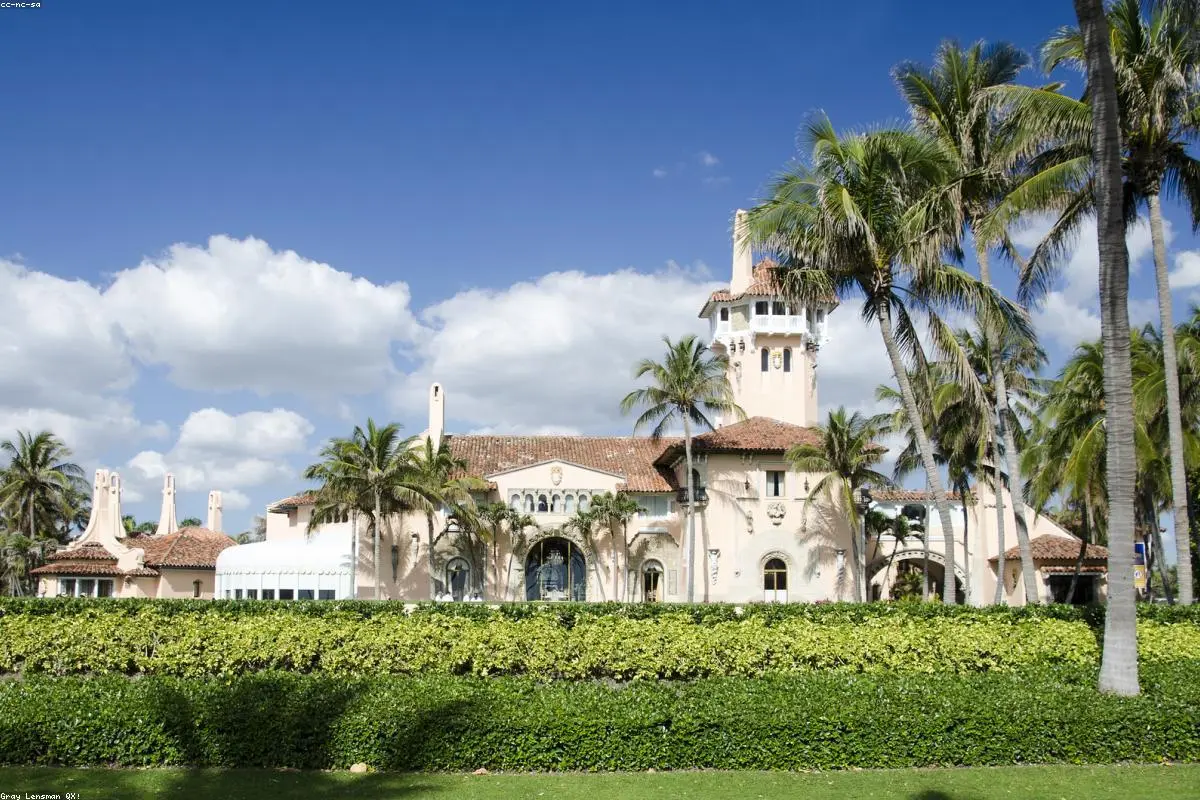
It is not every day that a local election in the Sunshine State captures the attention of the entire nation, but when the territory in question includes the private club of a former president, the stakes feel significantly higher. In a move that has stunned many political observers, Florida Democrats have managed to flip a key seat that serves the very neighborhood surrounding Donald Trump’s Mar-a-Lago estate. This victory isn't just about a single seat in the legislature; it is a symbolic puncture in what many had begun to consider an impenetrable Republican fortress.
The race, which took place in a region known for its high-profile residents and manicured lawns, saw a surge in Democratic turnout that few predicted. For years, Florida has been drifting further away from its status as a 'swing state,' becoming a reliable stronghold for the GOP. However, this recent result suggests that the narrative of a permanent Republican lock on the state might be premature. The win provides a much-needed morale boost for Democratic organizers who have spent the last few election cycles searching for a winning formula in the subtropics.
According to reports from the BBC, the win highlights a shifting dynamic in suburban areas where moderate voters may be reconsidering their allegiances. While the GOP has maintained a firm grip on rural and working-class districts, the affluent corridors of Palm Beach appear to be seeing a slight course correction.
Why This Specific Seat Matters
To understand the weight of this flip, one has to look at the geography. The district doesn't just include Mar-a-Lago; it represents a diverse mix of retirees, service industry workers, and high-net-worth individuals. Winning here requires a candidate to bridge the gap between economic concerns and social issues—a task that Democrats have struggled with in recent Florida history. This particular success was built on a platform of local resilience, focusing on insurance costs and environmental protection rather than just national partisan bickering.
From an International perspective, as discussed in our International section, the world often looks at Florida as a microcosm of American political stability. When a seat literally containing the home of the current GOP frontrunner changes hands, it sends a message to global observers that the American electorate remains unpredictable and highly reactive to local grievances.
Breaking Down the Strategy
How did the flip happen? Analysts point to three primary factors that turned the tide in favor of the Democrats:
- Ground-Level Organizing: The Democratic campaign focused heavily on door-to-door canvassing, moving away from expensive television ad buys that often get lost in the noise.
- Local Economic Issues: Voters in Palm Beach are increasingly frustrated with the state's property insurance crisis, a topic that the Democratic candidate leaned into heavily.
- Moderate Appeal: By running a campaign that prioritized pragmatic solutions over ideological purity, the winning candidate managed to peel off a significant percentage of independent voters.
This localized focus allowed the candidate to bypass the heavy shadow cast by national politics. While the Republican platform heavily emphasized traditional conservative values, the Democratic challenger spoke directly to the rising costs of living in one of the country's most expensive zip codes. This strategy proved to be the silver bullet needed to overcome the incumbent's advantages.
The Republican Reaction and the Road Ahead
On the other side of the aisle, the loss has triggered a moment of introspection for the Florida GOP. While the party still maintains a supermajority in the state house, losing a district that houses the symbolic leader of the party is a optics nightmare. Republican strategists are likely to view this as a wake-up call, realizing that even the most 'solid' districts can become vulnerable if voter concerns are neglected or if turnout efforts become complacent.
It’s important to note that one local flip does not equal a statewide revolution. Florida remains a challenging landscape for Democrats, with the GOP holding significant advantages in registration numbers and fundraising. However, this victory proves that the Democratic party can still win in high-stakes environments if they field the right candidates and focus on the right issues. The win serves as a blueprint for how the party might approach other suburban battlegrounds in the upcoming general election.
As the dust settles in Palm Beach, the focus now shifts to how both parties will adapt. Will the Republicans double down on their current platform, or will they shift to address the kitchen-table issues that cost them this seat? Conversely, will Democrats be able to replicate this success in other parts of the state, or will this remain a unique outlier in an otherwise red sea? For now, the residents of the district—including those behind the gates of Mar-a-Lago—find themselves represented by a new voice, marking a rare and significant chapter in Florida’s ever-turbulent political history.